
High range of babies shoes
Leave a comment/blog/by aafiya
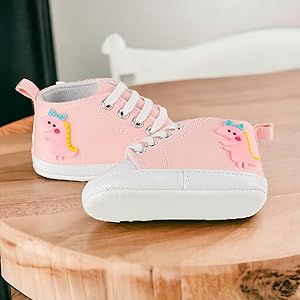
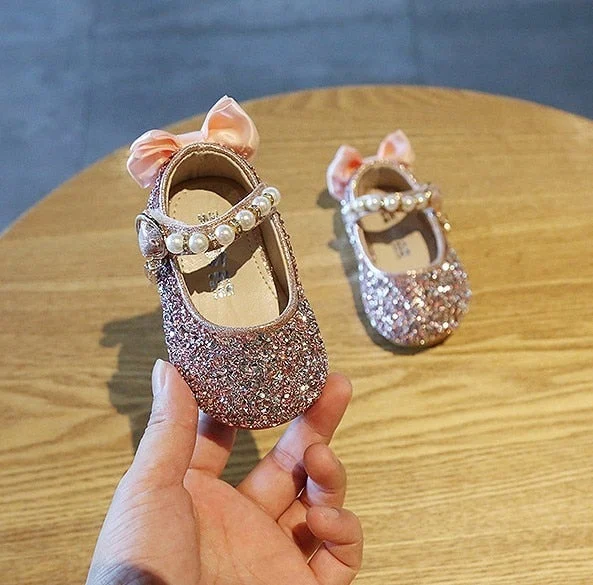
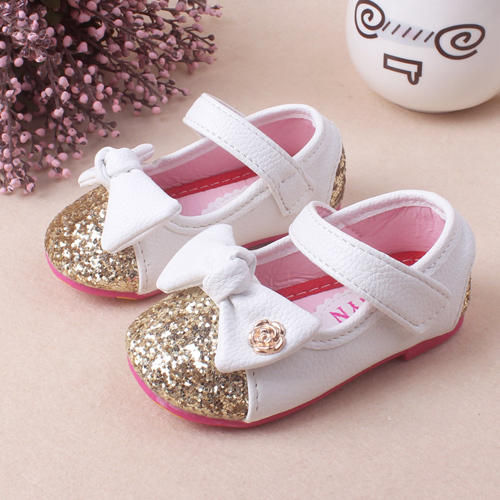
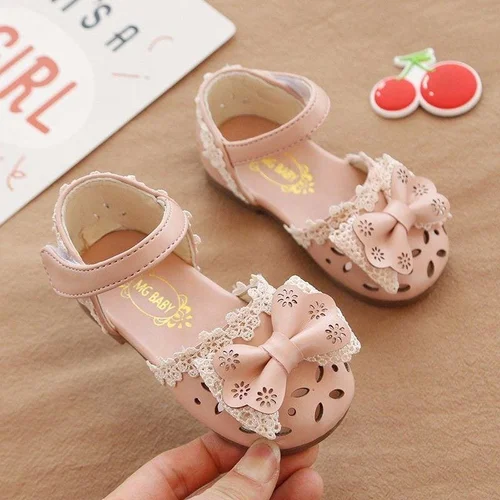
Generally, babies do not need shoes until they start walking outdoors.
For newborns and infants, going barefoot indoors allows for natural foot development, strengthening muscles and improving balance and coordination.
Socks or soft-soled booties are suitable for keeping feet warm indoors.
Once a baby is walking confidently and spending more time outdoors, typically around 12 to 18 months, shoes become important for protection from rough surfaces, extreme temperatures, or sharp objects.
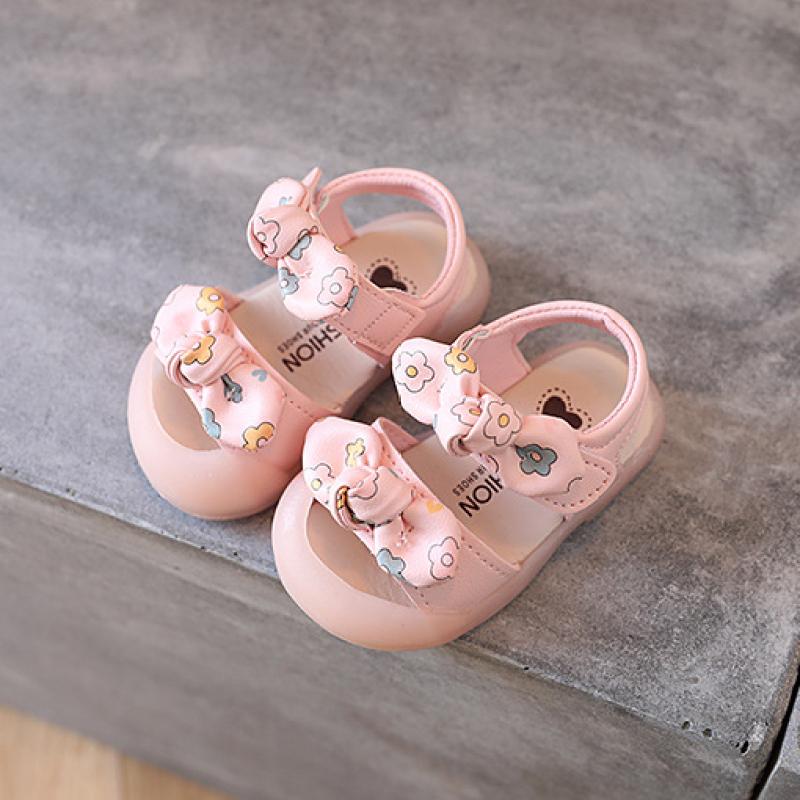
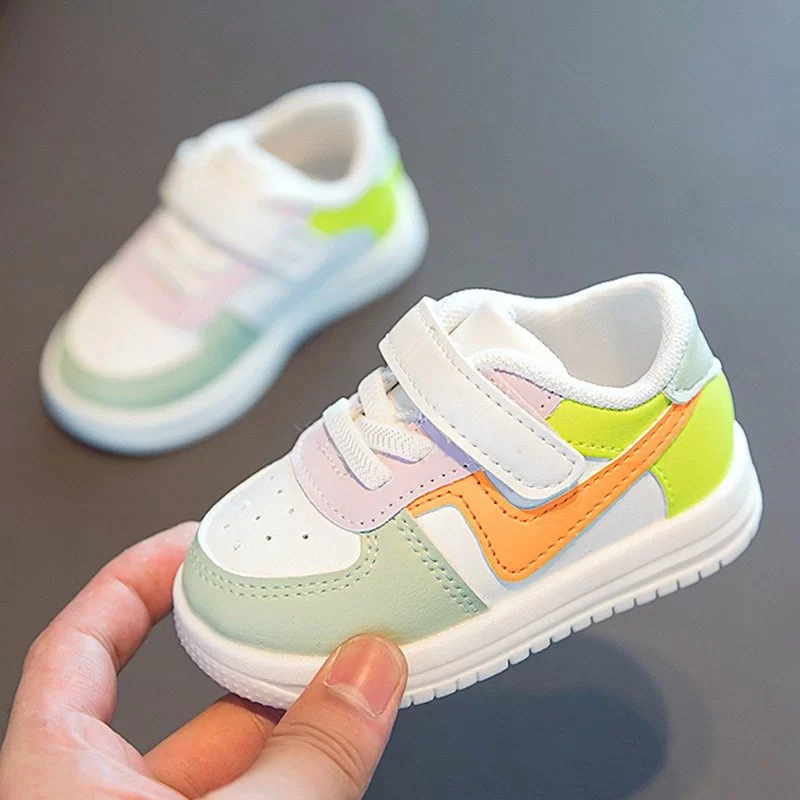
Now see the collection of baby shoes
- Lightweight and flexible: Shoes should be made of soft, breathable materials and have flexible soles to allow for natural foot movement and muscle development.
- Wide toe box: Ensure enough space for toes to spread out naturally without being cramped or restricted.
- Non-slip soles: Provide traction to prevent slips and falls as babies learn to navigate various surfaces.
- Proper fit: Shoes should fit snugly but not tightly, with about a thumb's width of space between the longest toe and the end of the shoe.
- Breathable materials: Opt for materials like leather, canvas, or breathable fabrics to prevent sweating and discomfort.
In conclusion, while shoes are essential for protecting babies' feet outdoors and in certain situations, prioritizing barefoot exploration in safe environments is crucial for
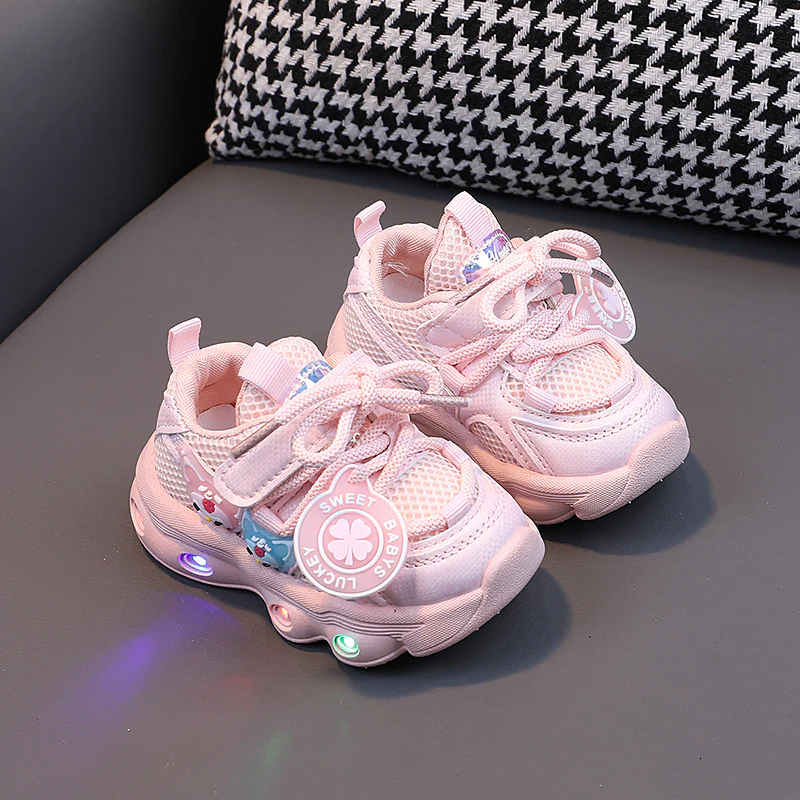
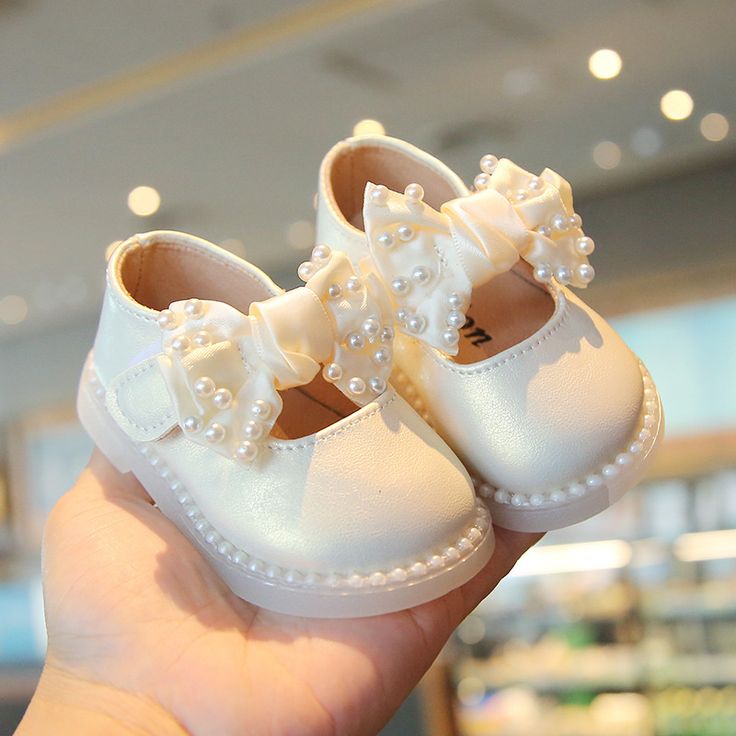
- Timing: Focus on shoes primarily when your baby starts walking confidently, particularly outdoors.
- Fit: Ensure a proper fit that provides enough room for toes to wiggle without being too tight or loose. Regularly check the fit as your baby’s feet grow quickly. The Kidling suggests checking the fit every eight weeks.
- Flexibility: Prioritize shoes with soft, flexible soles that allow for natural foot movement and muscle development, rather than stiff, restrictive ones.
- Material: Opt for breathable materials like soft leather, canvas, or mesh to prevent sweating and discomfort.
- Safety Features: Look for non-slip soles, especially important for preventing falls on various surfaces.
- Fasteners: Consider easy-to-use fasteners like Velcro or buckles for ease of putting o
- Breathable Materials: Select shoes made of soft leather, canvas, or other breathable fabrics to allow air circulation, preventing overheating and sweating.
- Correct Fit: Ensure the shoes are neither too tight nor too loose. There should be about a thumb’s width of space between the longest toe and the tip of the shoe when your baby is standing. Check the fit regularly, as baby’s feet grow quickly. The National Childbirth Trust notes that you should check every two to three months up to age 2 ½.
- Non-Skid Soles: Non-skid soles are important for safety, especially on potentially slippery surfaces.
- Adjustable Closures: Velcro straps or laces allow a snug and secure fit around the ankle, preventing the foot from slipping inside the shoe.
- Wide Toe Box: Shoes with a wide toe box allow the toes to spread out naturally, aiding in balance and strengthening foot muscles.
- Breathable Materials: Select shoes made of soft leather, canvas, or other breathable fabrics to allow air circulation, preventing overheating and sweating.
- Correct Fit: Ensure the shoes are neither too tight nor too loose. There should be about a thumb’s width of space between the longest toe and the tip of the shoe when your baby is standing. Check the fit regularly, as baby’s feet grow quickly. The National Childbirth Trust notes that you should check every two to three months up to age 2 ½.
- Non-Skid Soles: Non-skid soles are important for safety, especially on potentially slippery surfaces.
- Adjustable Closures: Velcro straps or laces allow a snug and secure fit around the ankle, preventing the foot from slipping inside the shoe.
- Wide Toe Box: Shoes with a wide toe box allow the toes to spread out naturally, aiding in balance and strengthening foot muscles.
- Breathable Materials: Select shoes made of soft leather, canvas, or other breathable fabrics to allow air circulation, preventing overheating and sweating.
- Correct Fit: Ensure the shoes are neither too tight nor too loose. There should be about a thumb’s width of space between the longest toe and the tip of the shoe when your baby is standing. Check the fit regularly, as baby’s feet grow quickly. The National Childbirth Trust notes that you should check every two to three months up to age 2 ½.
- Non-Skid Soles: Non-skid soles are important for safety, especially on potentially slippery surfaces.
- Adjustable Closures: Velcro straps or laces allow a snug and secure fit around the ankle, preventing the foot from slipping inside the shoe.
- Wide Toe Box: Shoes with a wide toe box allow the toes to spread out naturally, aiding in balance and strengthening foot muscles.
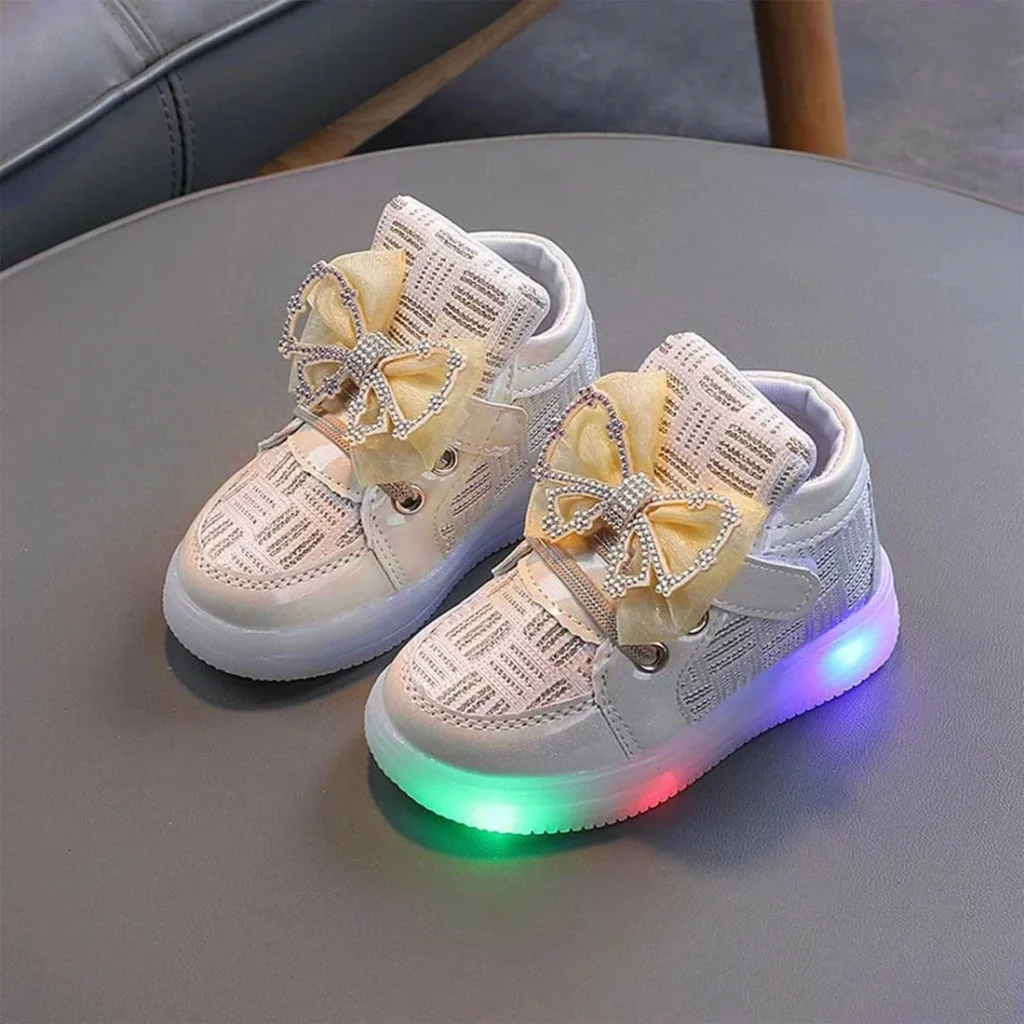
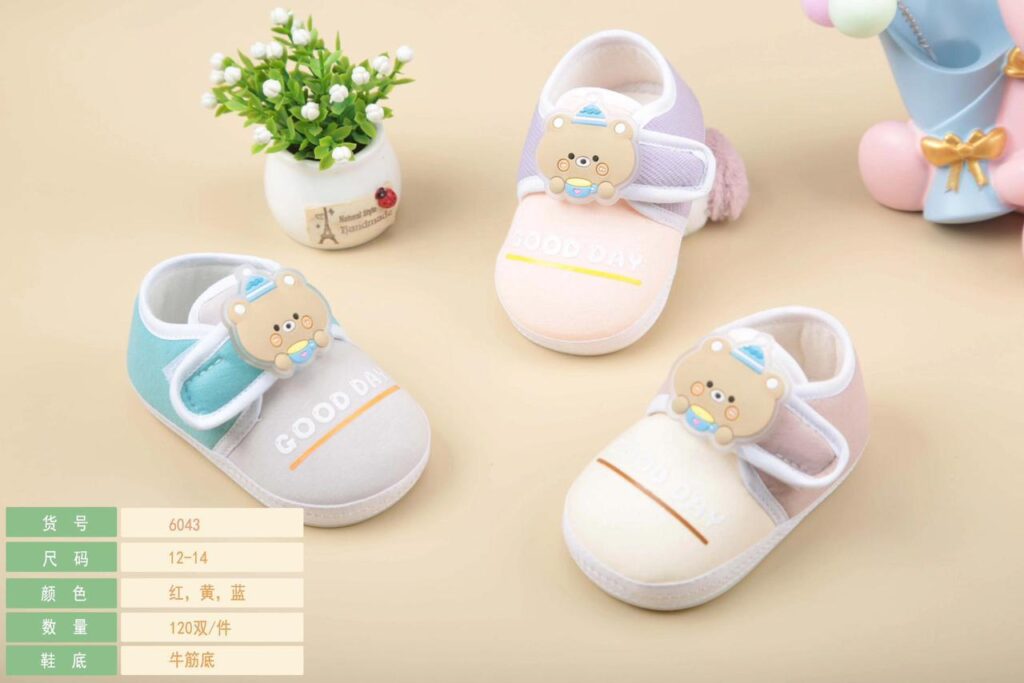
- irst walking shoes: Prioritize soft, breathable materials like organic cotton or supple leather to avoid hindering natural foot development. Look for features like rounded edges on the outsole to reduce tripping hazards, a soft memory foam footbed for comfort, and Velcro straps for easy on and off.
- Casual shoes: Canvas, cotton, or mesh are excellent choices for everyday wear as they are lightweight and breathable, suitable for playtime and adventures.
- Party wear or special occasions: Leather or suede ballerinas and Mary Jane shoes are stylish options for formal events.
- Colder weather: Opt for boots or closed shoes with warm linings made of materials like wool or faux fur. Consider waterproof and insulated options for playing in the snow or rain.
- Warm weather: Sandals made of canvas, cotton, or even