MY CLOCK WEB PAGE
The History of Timekeeping
A clock is a timekeeping device designed to measure and display the passage of time. It is one of the most essential tools in human life, helping us organize our daily routines and stay punctual. Clocks can be found in homes, schools, offices, public places, and virtually everywhere people gather or work. The basic function of a clock is to show hours, minutes, and sometimes seconds, enabling individuals to keep track of time accurately.
There are various types of clocks, including analog and digital. An analog clock typically has a circular face with numbers 1 to 12 arranged around the edge and three rotating hands: the hour hand, the minute hand, and the second hand.
Early Methods of Timekeeping (sundials, water clocks)
Invention of Mechanical Clocks
Evolution Through the Middle Ages
The Age of Pendulum Clocks
Quartz Revolution and Modern Advances
Atomic Clocks and the Scientific Definition.
Gears, Springs, and Escapements
The Role of Pendulums and Balances
Digital Mechanisms
History of timekeeping
Evolution of wall clocks
Mechanics of clocks (quartz, mechanical, atomic, etc.)
Cultural significance across different countries
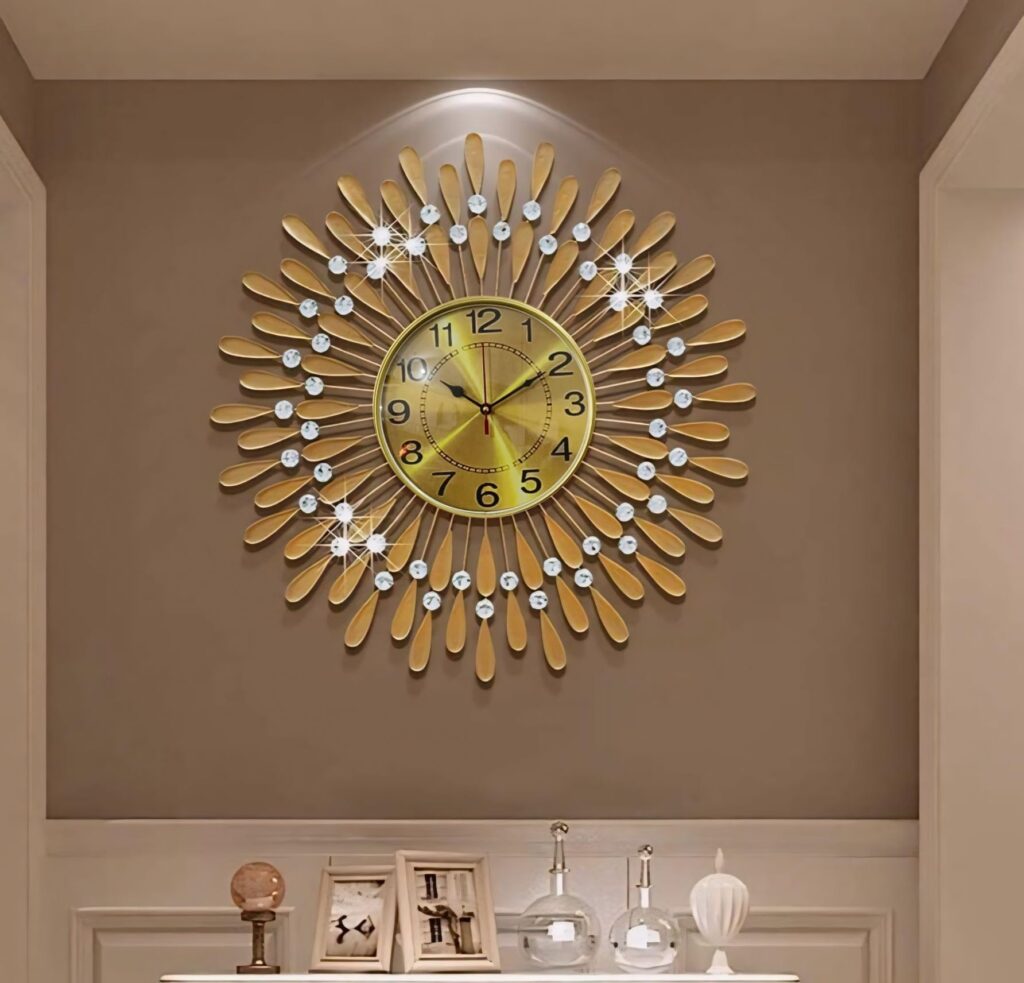
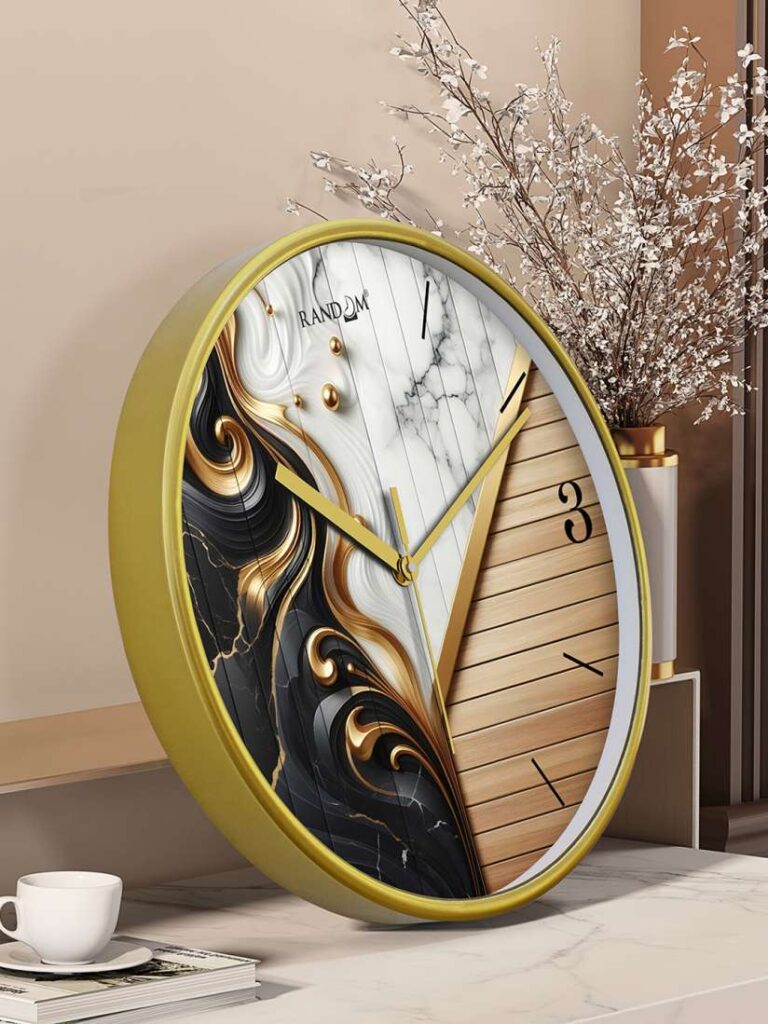
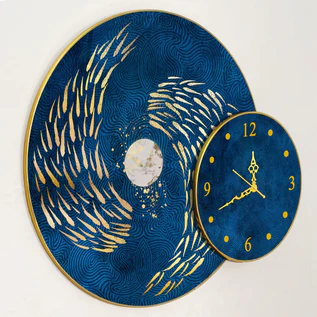
A wall clock is a timekeeping device designed to be mounted on a wall, serving both functional and decorative purposes in homes, offices, schools, and public spaces. It typically features a circular face, although square and abstract designs are also popular. The clock face displays numbers or hour markers, usually from 1 to 12, and is equipped with at least two hands – an hour hand and a minute hand. Many wall clocks also include a second hand for more precise time measurement.
History of timekeeping
Evolution of wall clocks
Mechanics of clocks (quartz, mechanical, atomic, etc.)
Cultural significance across different countries
Design trends and aesthetics
Manufacturing processes
Technological integration (smart clocks, IoT)
Famous clockmakers and brands
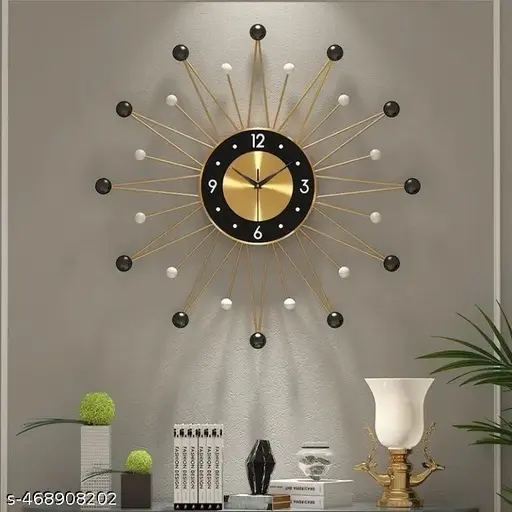
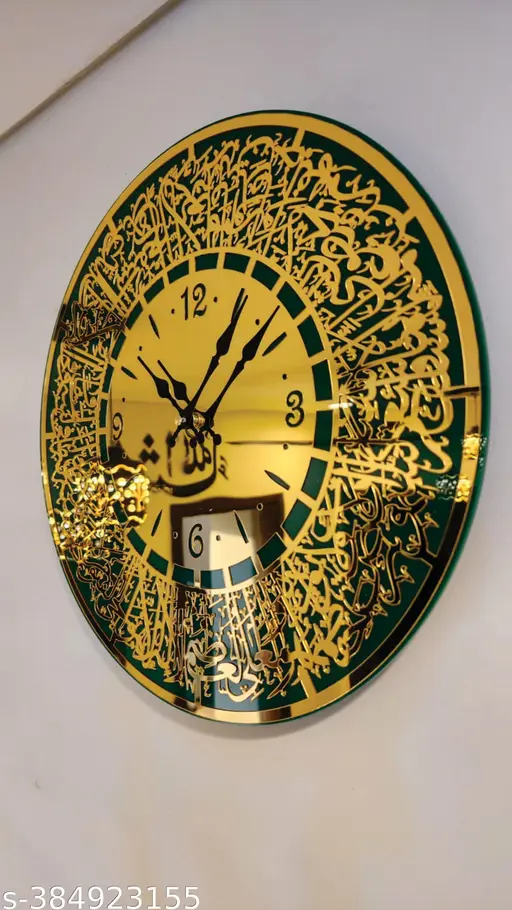
Wall clocks can be powered by various mechanisms, such as quartz movement, which runs on batteries, or mechanical movement, which requires manual winding. Quartz wall clocks are especially common due to their accuracy, affordability, and low maintenance needs. Digital wall clocks, which display time using numeric digits rather than hands, are also widely used, particularly in modern or industrial settings.
The design of wall clocks varies greatly, making them an important element of interior décor. Classic designs might feature Roman numerals, ornate frames, or wooden finishes that give a vintage or traditional appearance.
A clock is a timekeeping device designed to measure and display the passage of time. It is one of the most essential tools in human life, helping us organize our daily routines and stay punctual.
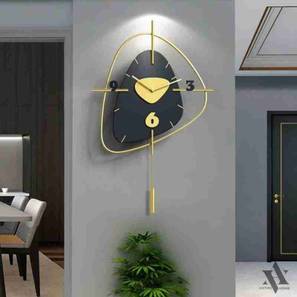
"The Art of Wall Clocks"
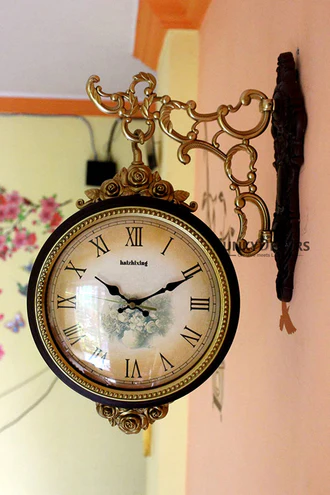
The History of Timekeeping Devices
Early Wall Clocks and Their Invention
From Pendulums to Quartz – A Technological Timeline
The Rise of Decorative Clocks in the 18th and 19th Centuries
Quartz Mechanism and Battery Power
Mechanical Movements: Gears, Springs, and Weights
Atomic Time and Precision
Digital Clocks and the Rise of Smart Technology
A clock is a timekeeping device designed to measure and display the passage of time. It is one of the most essential tools in human life, helping us organize our daily routines and stay punctual. Clocks can be found in homes, schools, offices, public places, and virtually everywhere people gather or work.
In addition to their aesthetic appeal, wall clocks serve a vital role in daily life. They help people stay on schedule, manage their time effectively, and coordinate activities in shared spaces. In work environments, strategically placed wall clocks improve punctuality and productivity. In homes, they often act as focal points in living rooms, kitchens, or hallways, combining utility with style.
Overall, a wall clock is a timeless accessory that blends practical functionality with artistic design, enhancing the ambience of any room while ensuring that time is always within view.