
Bright Crockery web page
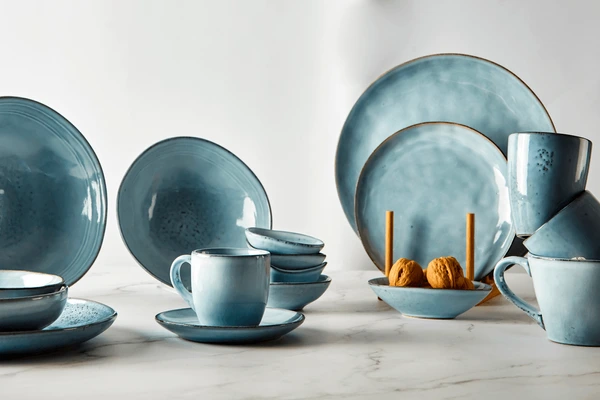
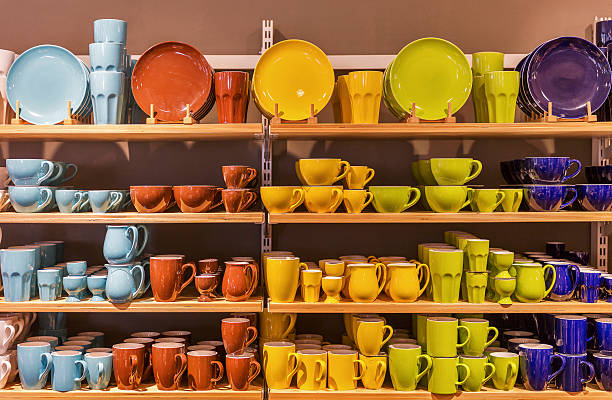
Traditionally, crockery was made from ceramic materials like porcelain, bone china, earthenware, and stoneware. Each of these materials offers a distinct look and feel. Bone china, for example, is lightweight yet strong, with a translucent quality and elegant appearance, making it a popular choice for formal dining. On the other hand, stoneware is more durable and casual, perfect for everyday use. Modern crockery also includes options made from glass, melamine, stainless steel, and even eco-friendly materials like bamboo fiber.
Crockery is more than just dishes — it reflects lifestyle, culture, and hospitality. In many cultures, beautifully arranged crockery is a symbol of care and respect toward guests. Whether it’s a family dinner, a festive gathering, or a casual tea with friends, the right crockery adds charm and enhances the overall dining experience.
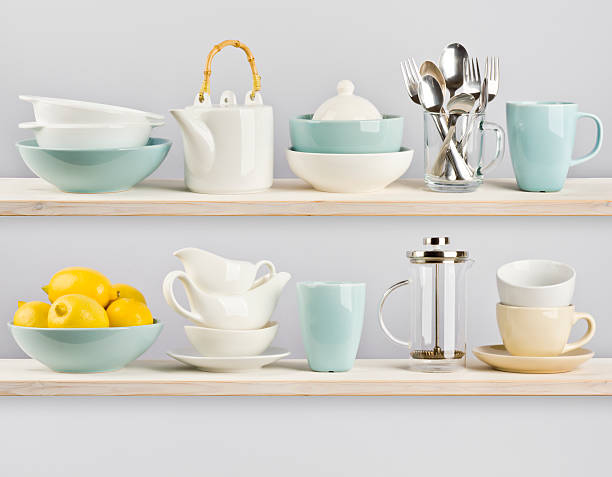
Crockery sets often come in coordinated designs, with patterns, textures, or colors that match kitchen decor or themes. From minimalist whites and classic floral patterns to vibrant contemporary styles, there’s something to suit every taste and occasion. Many people invest in separate sets for daily use and special occasions, allowing them to switch between practicality and elegance as needed. In addition to aesthetics, the quality and durability of crockery are also important. Good-quality crockery is chip-resistant, dishwasher-safe, microwave-safe, and easy to maintain. When choosing crockery, it's important to consider not only its visual appeal but also itsCrockery comes in various materials such as ceramic, porcelain, bone china, stoneware, and melamine. Each type offers unique qualities in terms of durability, design, weight, and usage. For example, bone china is lightweight, elegant, and perfect for formal settings, while stoneware is heavier and more durable, suitable for everyday use. Melamine crockery, being unbreakable and easy to clean, is widely used in households with children or for outdoor dining.
Crockery, also known as tableware or dishware, is an essential part of every dining experience. It includes various items such as plates, bowls, cups, saucers, and serving dishes that are used to serve and eat food. Available in a wide range of materials, designs, and finishes, crockery is not only functional but also plays a significant role in enhancing the presentation and ambiance of a meal.
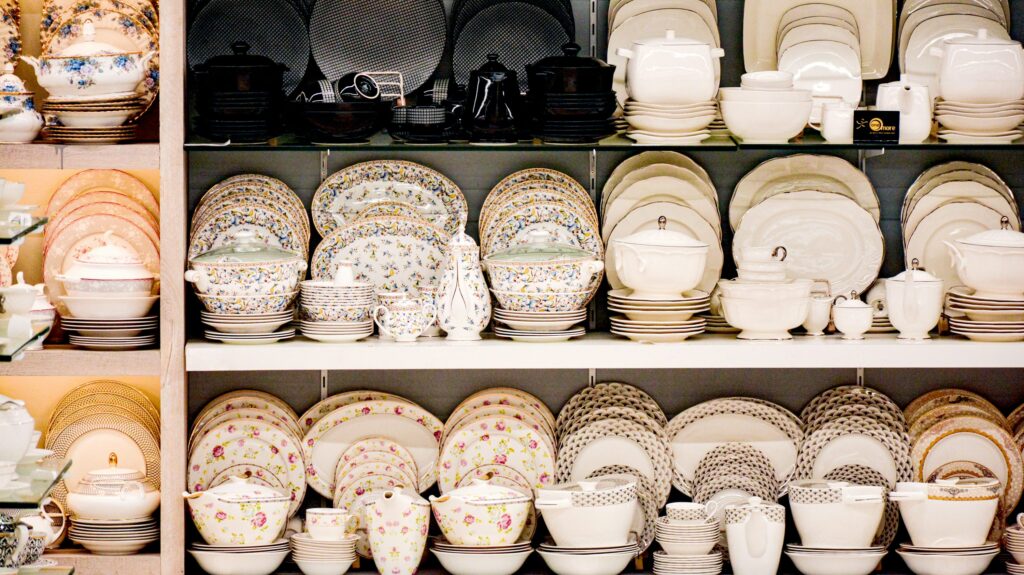
Crockery is more than just dishes — it reflects lifestyle, culture, and hospitality. In many cultures, beautifully arranged crockery is a symbol of care and respect toward guests. Whether it’s a family dinner, a festive gathering, or a casual tea with friends, the right crockery adds charm and enhances the overall dining experience.
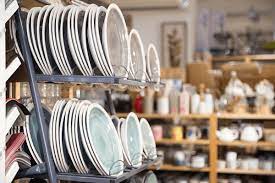
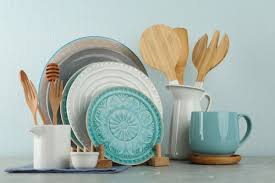
Crockery sets often come in coordinated designs, with patterns, textures, or colors that match kitchen decor or themes. From minimalist whites and classic floral patterns to vibrant contemporary styles, there’s something to suit every taste and occasion. Many people invest in separate sets for daily use and special occasions, allowing them to switch between practicality and elegance as needed. In addition to aesthetics, the quality and durability of crockery are also important.
Crockery, also known as tableware or dishware, is an essential part of every dining experience. It includes various items such as plates, bowls, cups, saucers, and serving dishes that are used to serve and eat food. Available in a wide range of materials, designs, and finishes, crockery is not only functional but also plays a significant role in enhancing
Crockery refers to the wide range of tableware used for serving and consuming food and beverages. It plays a crucial role in enhancing the dining experience, combining functionality with aesthetic appeal. Crockery includes items such as plates, bowls, cups, saucers, and serving dishes, all crafted in various materials like porcelain, ceramic, stoneware, bone china, and melamine. Each material offers unique qualities—porcelain and bone china are known for their elegance and translucency, while stoneware and ceramic are appreciated for their rustic charm and durability. Design and style are also important elements in crockery. From minimalistic and modern patterns to ornate, traditional artwork, crockery reflects personal taste and cultural heritage. Some sets are purely functional, while others are considered collectibles or part of a luxury lifestyle.