
LED (Light Emitting Diode) bulbs are modern lighting solutions designed to offer energy-efficient, long-lasting, and eco-friendly illumination. Unlike traditional incandescent and fluorescent bulbs, LED bulbs convert electricity directly into light using semiconductor technology, which results in minimal energy waste and significant cost savings over time.
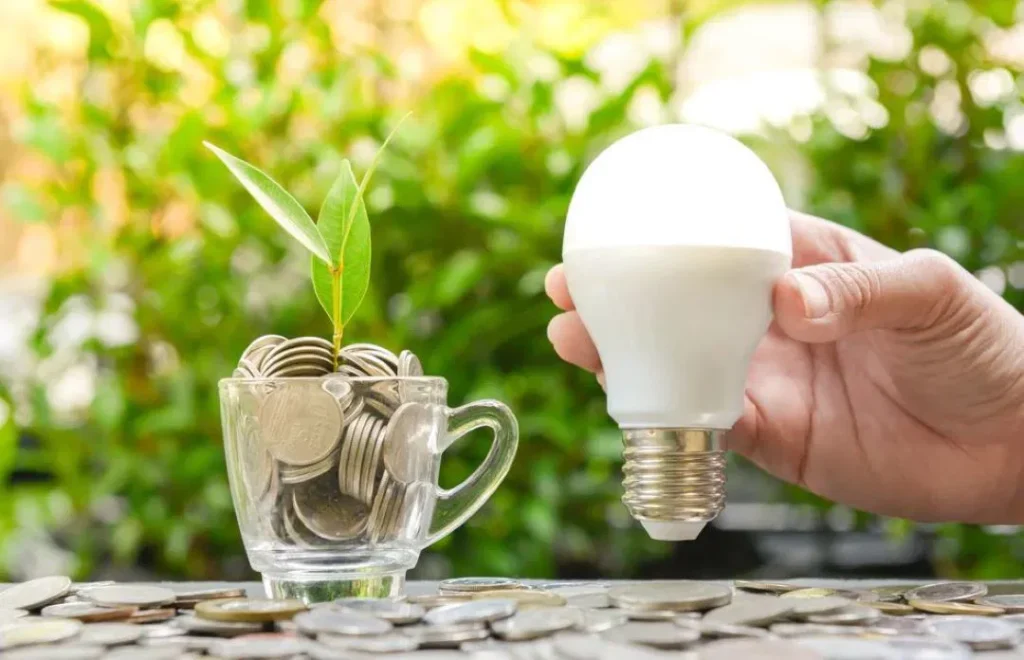
One of the most notable advantages of LED bulbs is their exceptional energy efficiency. They consume up to 80% less electricity than incandescent bulbs while providing the same or even better brightness. This efficiency translates into lower electricity bills and reduced carbon emissions, making them an environmentally responsible choice for both homes and businesses.
LED Retrofitting
Wiring and Electrical Considerations
Common Issues and Fixes
Safety Precautions
LED bulbs are known for their longevity. On average, a quality LED bulb can last between 15,000 to 50,000 hours, significantly outlasting traditional bulbs. This extended lifespan reduces the frequency of replacements, saving time and money in the long run. Additionally, LED bulbs are available in a wide range of color temperatures—from warm white (2700K) to cool daylight (6500K)—allowing users to customize lighting to suit different moods and settings.
Another important benefit of LED lighting is its instant-on capability. LED bulbs reach full brightness immediately upon switching on, unlike some CFLs that require warm-up time. They also operate at cooler temperatures, reducing the risk of burns or fire hazards. Moreover, LED bulbs are free from harmful substances like mercury, making them safer to handle and dispose of.
Leading Manufacturers
Global LED Market Trends
Quality Standards and Certifications
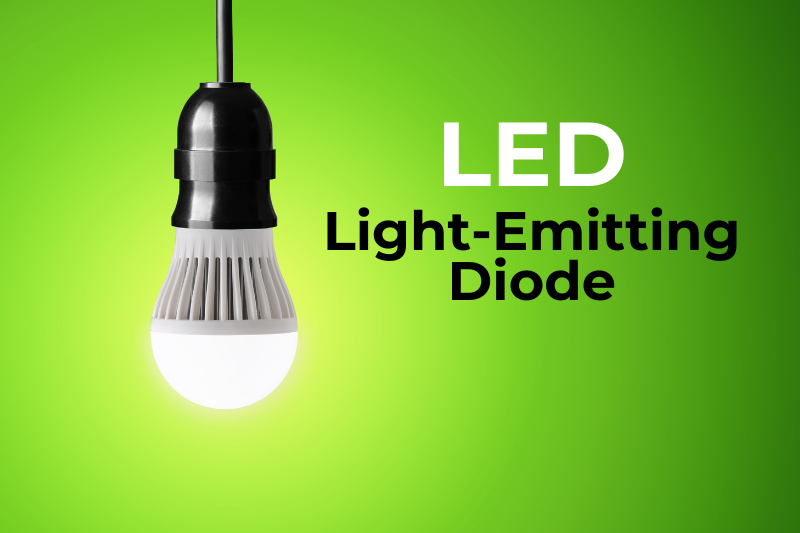
"The Complete Guide to LED Bulbs: Technology, Applications, and Impact".
LED bulbs are also known for their durability and long life. A typical LED bulb can last anywhere between 15,000 to 50,000 hours, depending on the brand and usage. This means fewer replacements, less maintenance, and greater convenience for both residential and commercial users.
In terms of performance, LED bulbs offer instant full brightness without the warm-up time required by some other lighting technologies. They are available in various color temperatures—from warm white (2700K) to cool daylight (6500K)—to suit different ambiances and applications. Whether it’s for a cozy living room, a task-oriented kitchen, or a bright office space, there is an LED bulb to meet every need.
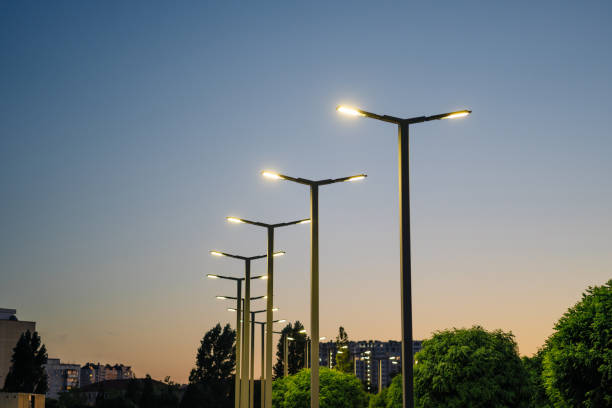
Types of LED Lights
Technical Foundation
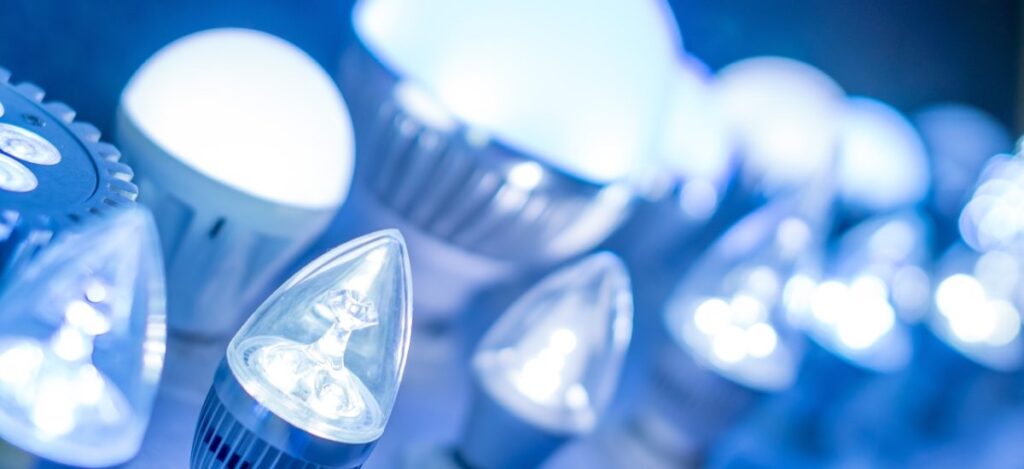
Benefits and Comparisons
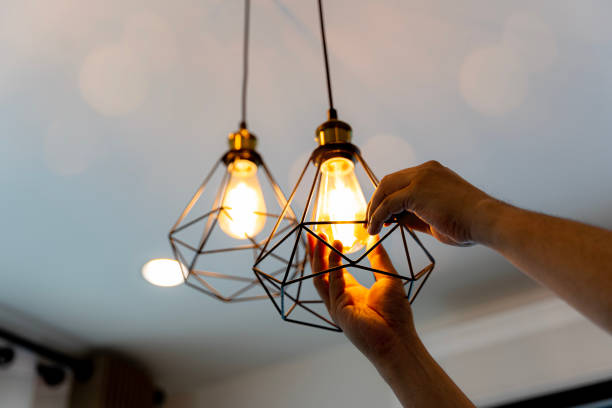
In terms of performance, LED bulbs offer instant full brightness without the warm-up time required by some other lighting technologies. They are available in various color temperatures—from warm white (2700K) to cool daylight (6500K)—to suit different ambiances and applications. Whether it’s for a cozy living room, a task-oriented kitchen, or a bright office space, there is an LED bulb to meet every need.
Moreover, LED bulbs are available in a range of shapes, sizes, and bases, making them compatible with most existing light fixtures. They also come in dimmable options, giving users better control over lighting intensity and mood.
In terms of performance, LED bulbs offer instant full brightness without the warm-up time required by some other lighting technologies.
LED (Light Emitting Diode) bulbs have revolutionized modern lighting with their energy efficiency, long lifespan, and environmental benefits. Unlike traditional incandescent or CFL bulbs, LED bulbs use semiconductor technology to convert electricity into light, significantly reducing energy consumption and heat emission.
One of the most notable advantages of LED bulbs is their energy efficiency. They consume up to 80% less power than traditional incandescent bulbs while providing the same or even better brightness. This not only lowers electricity bills but also reduces the overall carbon footprint, making LEDs an eco-friendly lighting solution.
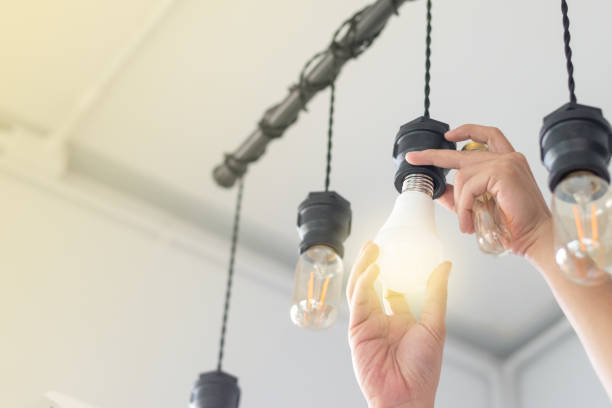
Installation and Troubleshooting
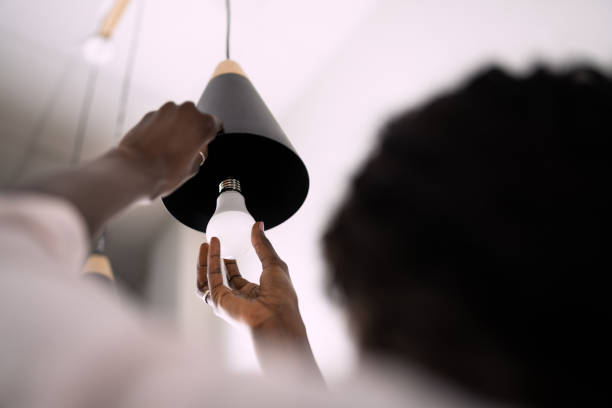
Manufacturing and Market
Part 9: Future of LED Technology
Emerging Materials (e.g., quantum dots, graphene)
Trends in Efficiency and Design
Integration with Renewable Energy
Next-Gen Smart Lighting
Appendices
Glossary of LED Terms
LED vs. Other Lighting Technologies (Chart)
Buyer’s Guide
Installation Checklists
References