
Latest Mobiles, Best Prices 'i phone 14'
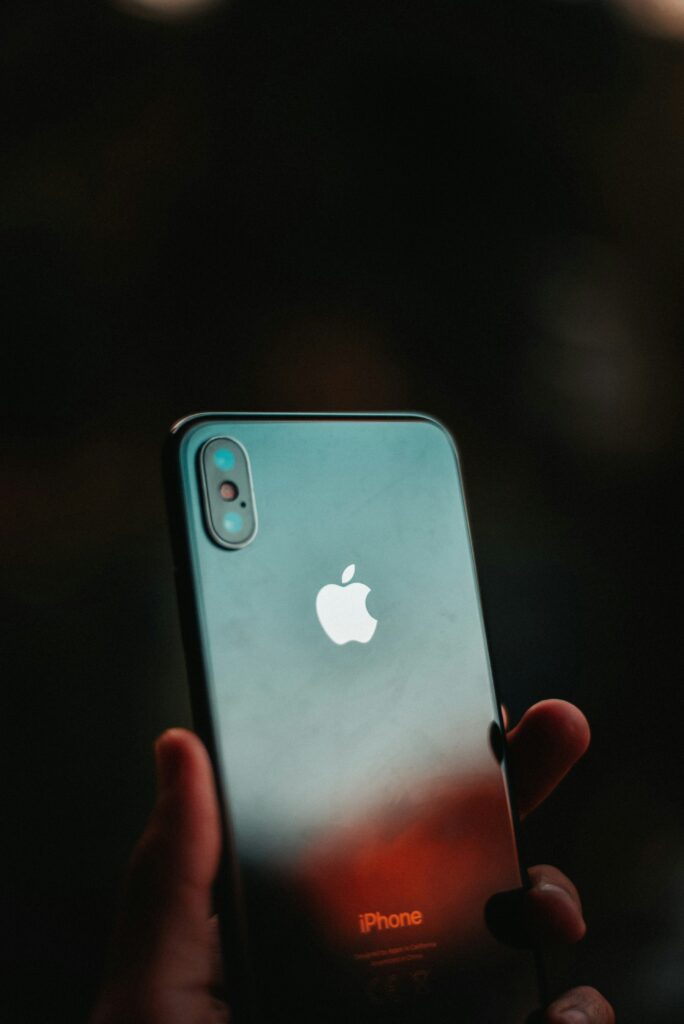
your one-stop destination ‘i phones’ for the latest smartphones and accessories. ‘i phone 7’ We offer a wide range of ‘from top brands like Apple, Samsung, Xiaomi, OnePlus, Vivo, Oppo, ‘redmi‘ and more. Whether you’re looking‘ i phone 11‘ for a budget-friendly device‘i phone x5’ or the latest flagship model, we have something for everyone. A mobile phone, also known as a cellphone or hand phone, is a portable electronic device primarily used for communication, including voice calls and text messages. It utilizes radio waves to connect to cellular networks, allowing for communication over distances without physical wires. Modern mobile phones, or smartphones, offer a wide range of features beyond basic communication, including internet access, applications, and multimedia capabilities.
All Brands, All Budgets 'samsung'
Enjoy amazing deals, ‘vivo 5g’easy EMI options, and exchange ‘i phone xr’offers on your favorite smartphones tmobile‘We also provide additional services like mobile repairs, data transfer,‘find my i phone’ screen protection, and setup support to make your experience hassle-free.‘cell phone’ Visit us today and take advantage of our exciting promotions.A mobile phone, also known as a cellphone or hand phone, is a portable electronic device primarily used for communication, including voice calls and text messages. It utilizes radio waves to connect to cellular networks, allowing for communication over distances without physical wires. Modern mobile phones, or smartphones, offer a wide range of features beyond basic communication, including internet access, applications, and multimedia capabilities.
Our job doesn’t end with the sale.‘aest prepaid’ We offer on-the-spot support, i phone se’ basic mobile repairs, software updates, and expert advice to help you keep your phone in top shape. ‘oppo f19 ‘Your satisfaction is our top priority.The critical advantage that modern cellular networks have over predecessor systems is the concept of frequency reuse allowing many simultaneous telephone conversations in a given service area. This allows efficient use of the limited radio spectrum allocated to mobile services, and lets thousands of subscribers converse at the same time within a given geographic area.
Former systems would cover a service area with one or two powerful base stations with a range of up to tens of kilometers’ (miles), using only a few sets of radio channels (frequencies). Once these few channels were in use by customers, no further customers could be served until another user vacated a channel. It would be impractical to give every customer a unique channel since there would not be enough bandwidth allocated to the mobile service. As well, technical limitations such as antenna efficiency and receiver design limit the range of frequencies a customer unit could use.
A cellular network mobile phone system gets its name from dividing the service area into many small cells, each with a base station with (for example) a useful range on the order of a kilometer (mile). These systems have dozens or hundreds of possible channels allocated to them. When a subscriber is using a given channel for a telephone connection, that frequency is unavailable for other customers in the local cell and in the adjacent cells. However, cells further away can re-use that channel without interference as the subscriber’s handset is too far away to be detected. The transmitter power of each base station is coordinated to efficiently service its own cell, but not to interfere with the cells further away.
Automation embedded in the customer’s handset and in the base stations control all phases of the call, from detecting the presence of a handset in a service area, temporary assignment of a channel to a handset making a call, interface with the land-line side of the network to connect to other subscribers, and collection of billing information for the service. The automation systems can control the “hand off” of a customer handset moving between one cell and another so that a call in progress continues without interruption, changing channels if required. In the earliest mobile phone systems by contrast, all control was done manually; the customer would search for an unoccupied channel and speak to a mobile operator to request connection of a call to a landline number or another mobile. At the termination of the call the mobile operator would manually record the billing information.
Data Transfer & Setup Support 'tmobile'
Get more out of your phone with our wide range of mobile accessories —‘mintmoble’ from ‘x finity modile’ stylish covers and tempered glass to fast chargers,’phone‘ power banks, and Bluetooth devices.’ free phone’ Perfect for protection, convenience, and enhancing your mobile lifestyle.’i phone 12′
The critical advantage that modern cellular networks have over predecessor systems is the concept of frequency reuse allowing many simultaneous telephone conversations in a given service area. This allows efficient use of the limited radio spectrum allocated to mobile services, and lets thousands of subscribers converse at the same time within a given geographic area.
Former systems would cover a service area with one or two powerful base stations with a range of up to tens of kilometers’ (miles), using only a few sets of radio channels (frequencies). Once these few channels were in use by customers, no further customers could be served until another user vacated a channel. It would be impractical to give every customer a unique channel since there would not be enough bandwidth allocated to the mobile service. As well, technical limitations such as antenna efficiency and receiver design limit the range of frequencies a customer unit could use.
A cellular network mobile phone system gets its name from dividing the service area into many small cells, each with a base station with (for example) a useful range on the order of a kilometer (mile). These systems have dozens or hundreds of possible channels allocated to them. When a subscriber is using a given channel for a telephone connection, that frequency is unavailable for other customers in the local cell and in the adjacent cells. However, cells further away can re-use that channel without interference as the subscriber’s handset is too far away to be detected. The transmitter power of each base station is coordinated to efficiently service its own cell, but not to interfere with the cells further away.
Automation embedded in the customer’s handset and in the base stations control all phases of the call, from detecting the presence of a handset in a service area, temporary assignment of a channel to a handset making a call, interface with the land-line side of the network to connect to other subscribers, and collection of billing information for the service. The automation systems can control the “hand off” of a customer handset moving between one cell and another so that a call in progress continues without interruption, changing channels if required. In the earliest mobile phone systems by contrast, all control was done manually; the customer would search for an unoccupied channel and speak to a mobile operator to request connection of a call to a landline number or another mobile. At the termination of the call the mobile operator would manually record the billing information.
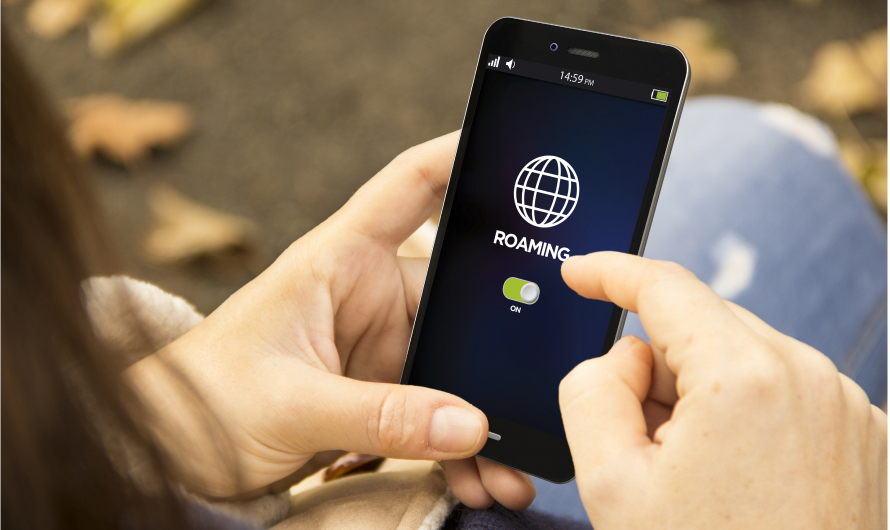
Enjoy amazing deals, easy EMI options, and exchange offers on your favorite smartphones. ‘vivo 5g’ We also provide additional services like mobile repairs, data transfer,‘redmi’ screen protection, and setup support to make your experience hassle-free. ‘oppo f 19’Visit us today and take advantage of our exciting promotions.
Complete your mobile experience with our wide selection of accessories including earphones, ‘1 plus’ ‘mobile’ power banks, chargers, covers, screen guards, and Bluetooth devices.‘tmobile’ All our products are carefully selected for quality, durability, and style.
Easy EMI Available 'vivo 5g''