MY COMPUTER WEB PAGE

“Understanding Computers: A Comprehensive Guide to Modern Computing”

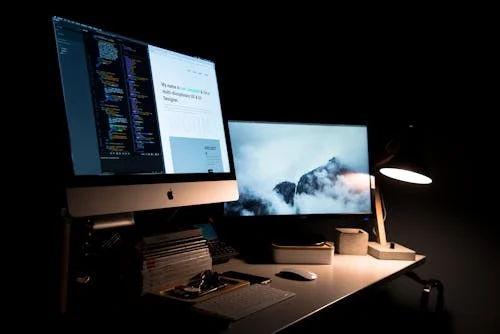
A computer is an electronic device that processes data and performs a wide variety of tasks with speed, accuracy, and efficiency. It consists of both hardware and software components that work together to carry out operations ranging from simple calculations to complex programming tasks.


A book-length explanation of computers, covering topics like:
  • History of computers
  • Computer hardware and software
  • Operating systems
  • Programming languages
  • Networks and the internet
  • Emerging technologies like AI, quantum computing, etc.
  1. A detailed project or thesis on computers for school or university.
  2. A documentation/manual for a specific type of computer system or software.
If you’re asking for an entire 300–400 page document, that’s the length of a full book, so I can:
  • Help you plan the structure/chapters of such a document.
  • Provide a sample chapter or content you can expand.
  • Help you generate sections step-by-step until you reach your desired length

Please confirm:

  • What exactly do you mean by “computer description”?

Computer City in Mayuranathar Colony ...

  • What is the purpose (e.g., school assignment, book, personal learning)?
  • What language do you prefer this in (e.g., English, Hindi, etc.)?
Once I have those details, I’ll start creating the content accordingly.
A computer is an electronic device that processes data and performs tasks according to a set of instructions known as software or programs. It has become an essential part of modern life, widely used in homes, schools, offices, and industries.
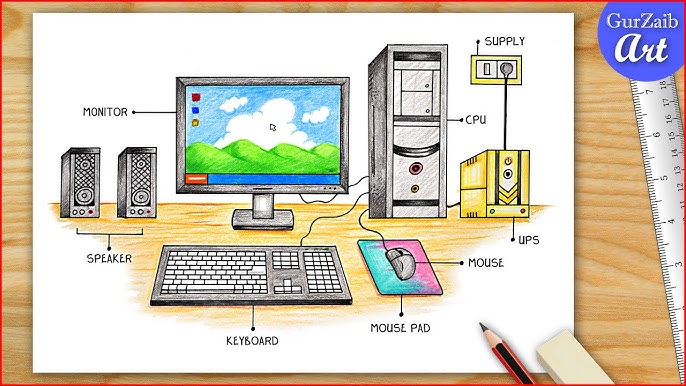
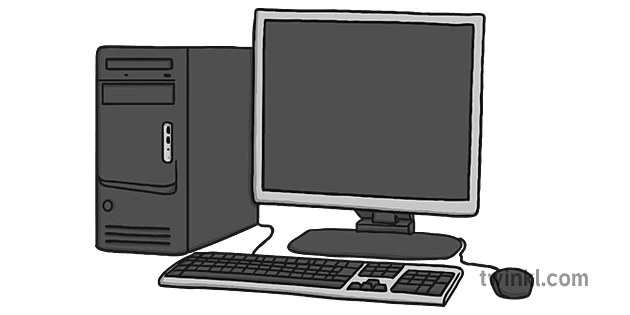
A computer system consists of two main components: hardware and software. Hardware refers to the physical parts of the computer, such as the central processing unit (CPU), monitor, keyboard, mouse, hard drive, and RAM (Random Access Memory). The CPU is considered the brain of the computer, responsible for carrying out instructions and performing calculations. RAM is temporary memory that stores data and instructions currently being used by the system. The monitor displays the output visually, while the keyboard and mouse are input devices that allow users to interact with the computer.
Software, on the other hand, is a collection of programs and applications that tell the computer what to do. There are two main types of software: system software (like operating systems such as Windows, macOS, or Linux) and application software (like Microsoft Word, Excel, web browsers, and games).
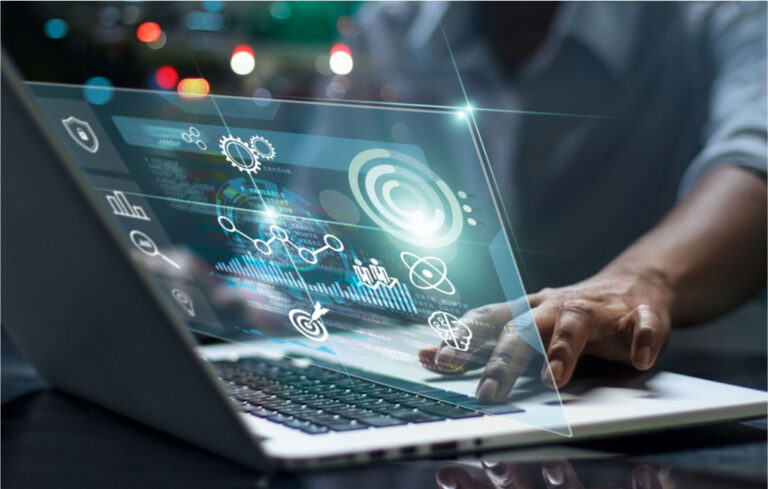
Computers come in various forms, including desktop computers, laptops, tablets, and servers. Each type has its own strengths. For instance, desktops are powerful and suitable for home or office use, while laptops offer portability and flexibility. Tablets are compact and user-friendly, ideal for casual use or media consumption.
Modern computers can connect to the internet, enabling access to vast amounts of information, cloud services, and communication tools like email and video conferencing. This connectivity has revolutionized how people work, learn, and socialize.
Computers have become essential in nearly every industry—from education and healthcare to finance, engineering, and entertainment. They are used for designing buildings, diagnosing medical conditions, analyzing data, creating digital art, programming, and more.
In conclusion, the computer is one of the most significant inventions in human history. It has transformed daily life by making tasks easier, faster, and more efficient. As technology continues to advance, computers are becoming smarter, smaller, and more integrated into everyday objects, playing an even bigger role in shaping the future. computers are becoming smarter, smaller, and more integrated into everyday objects, playing an even bigger role in shaping the future.What Is a Computer? History of Computing Types of Computers (Supercomputers, Desktops, Laptops, Mobile) Components of a Computer System Central Processing Unit (CPU) Motherboards and Chipsets Memory (RAM & ROM) Storage Devices (HDD, SSD, NVMe) Input Devices (Keyboard, Mouse, Scanners) Output Devices (Monitor, Printer, Speakers) Peripherals and Ports Power Supply and Cooling Systems Assembling a PC
 
Computers come in various forms, including desktop computers, laptops, tablets, and servers. Each type has its own strengths. For instance, desktops are powerful and suitable for home or office use, while laptops offer portability and flexibility. Tablets are compact and user-friendly, ideal for casual use or media consumption.
Modern computers can connect to the internet, enabling access to vast amounts of information, cloud services, and communication tools like email and video conferencing. This connectivity has revolutionized how people work, learn, and socialize.Central Processing Unit (CPU), memory (RAM), hard drive (HDD or SSD), motherboard, power supply, monitor, keyboard, and mouse.
 The CPU, often referred to as the “brain” of the computer, handles most of the processing tasks. RAM provides temporary storage that allows the system to access data quickly, while the hard drive stores files and applications permanently.