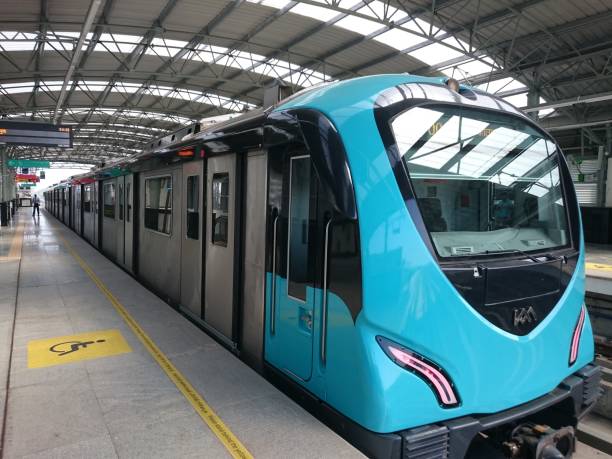
MY METRO TRAIN WEB PAGE
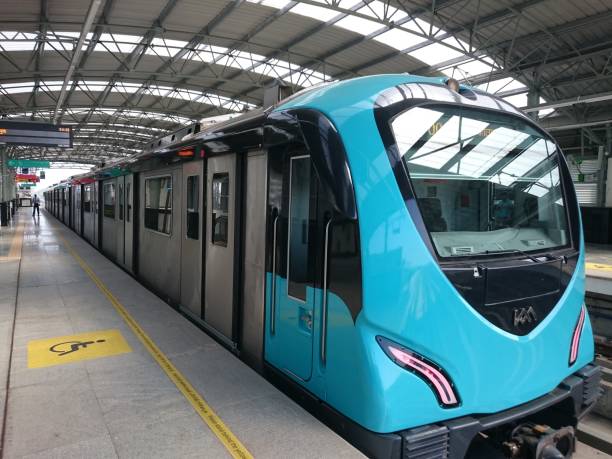
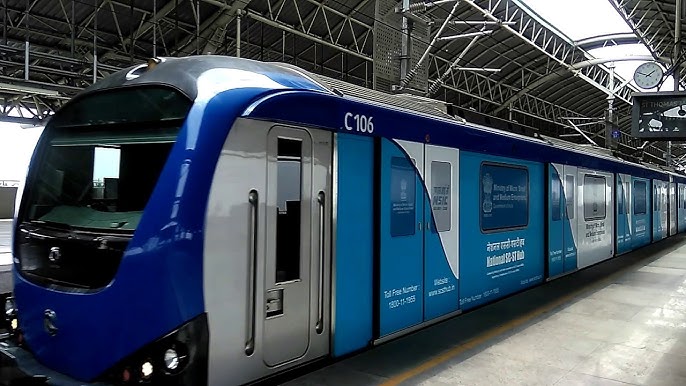
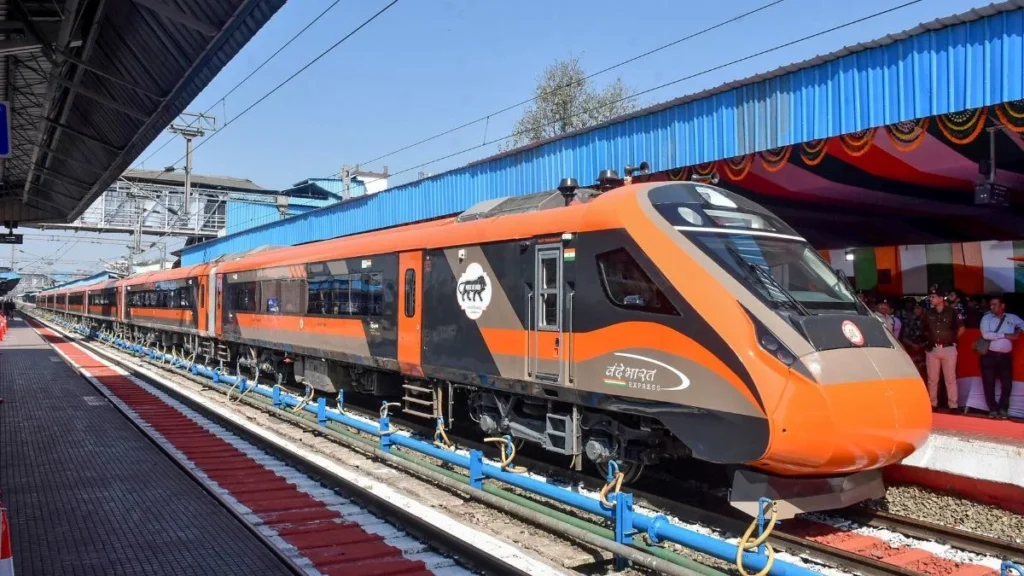
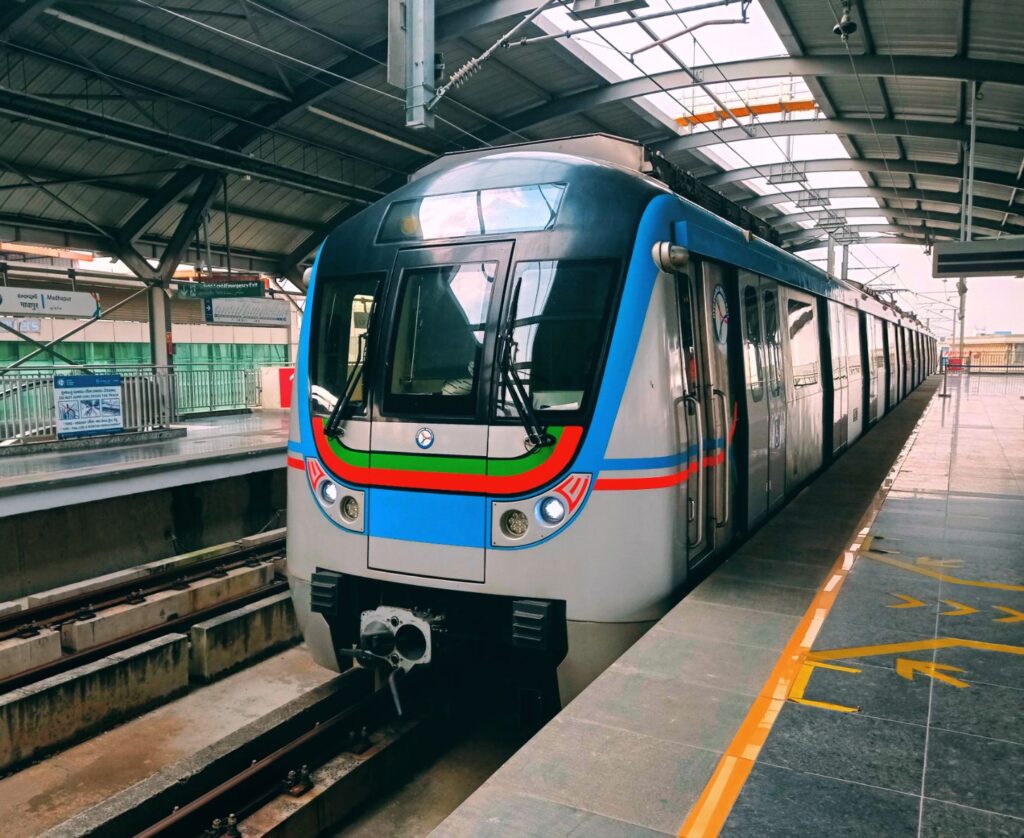
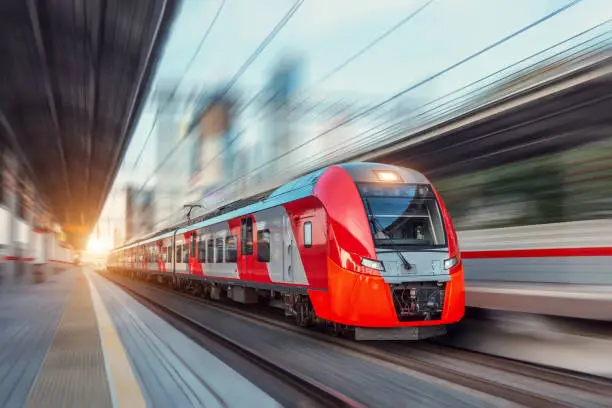
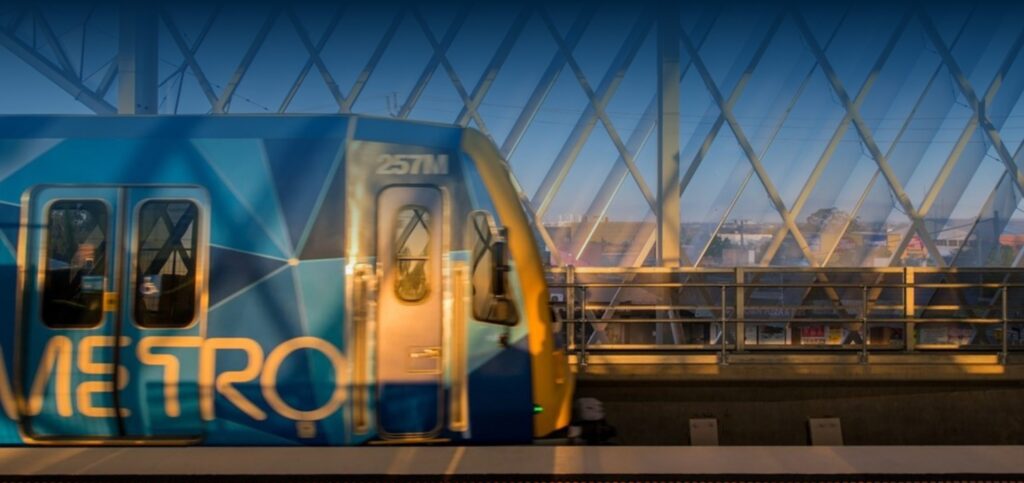
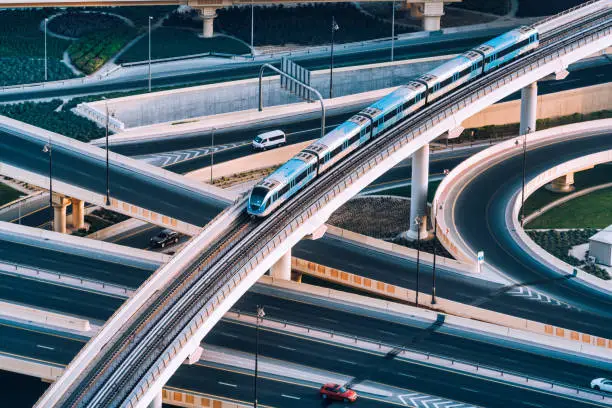
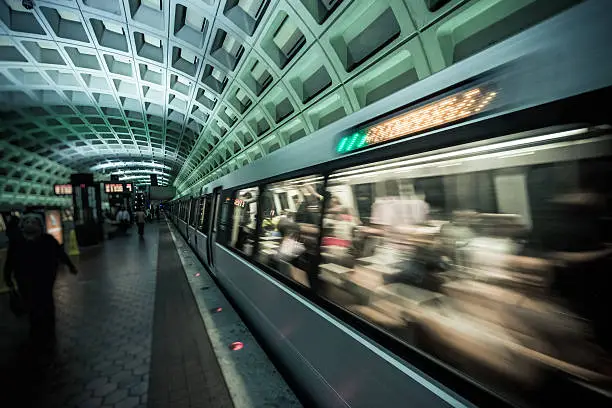
A metro train, also known as a rapid transit or subway train, is a high-speed urban public transportation system designed to move large numbers of passengers efficiently within cities and metropolitan areas. Unlike traditional rail systems, metro trains typically operate on exclusive tracks that are either underground, elevated, or at grade, ensuring minimal interference from road traffic. This design allows them to maintain punctuality and high frequency, especially during peak also known as a rapid transit or subway train, is a high-speed urban public transportation
-
Scheduling and Frequency Management
-
Staffing and Training
Introduction and History
Design and Technology
-
Introduction to Urban Transit Systems
-
History of Metro Trains – Global Perspective
-
Evolution of Metro Systems in Key Cities
-
Growth and Demand in the 21st Century
-
Types of Metro Systems (Subways, Elevated, Light Metro)
-
Rolling Stock (Train Coaches and Configurations)
-
Electrical Systems and Propulsion
-
Automatic Train Control and Signaling
History and evolution of metro trains
Engineering and technology behind metro systems
Case studies of major metro systems (e.g., Delhi Metro, London Underground, New York Subway)
Infrastructure and station design
Operations, safety, and signaling
Environmental and economic impacts
Policy, planning, and future trends
Scheduling and Frequency Management
Staffing and Training
Operations and Management
Case Studies
information
One of the key advantages of metro systems is their ability to reduce traffic congestion and pollution. By offering a fast and affordable alternative to personal vehicles, metro trains help decrease the number of cars on the road and contribute to a more sustainable urban environment. They also play a critical role in supporting economic growth by connecting people to jobs, schools, markets, and other vital services.
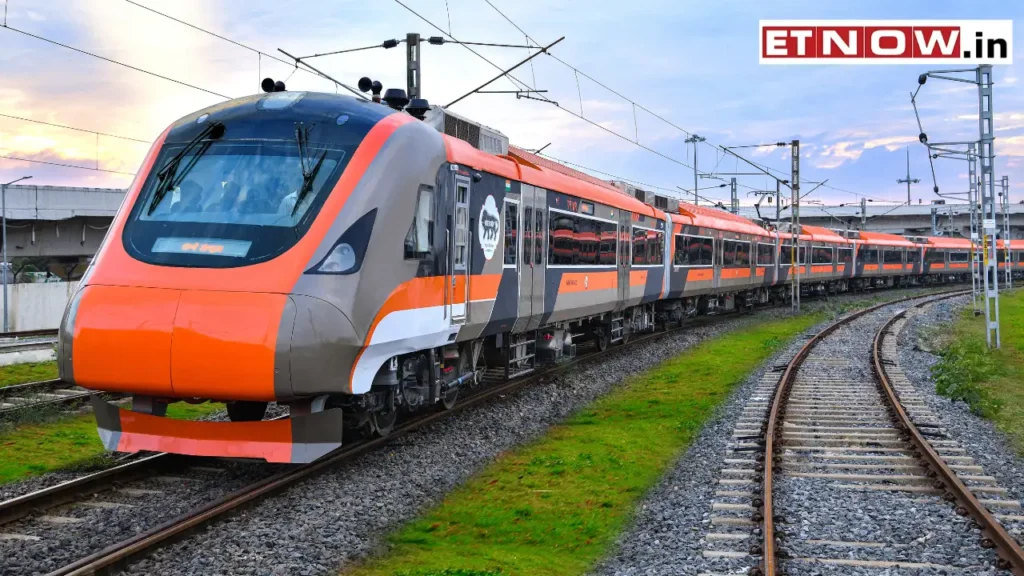
Metro networks usually operate on a fixed schedule, with trains arriving every few minutes during peak hours. Stations are strategically placed throughout the city to provide easy access, often linked with other modes of transport such as buses, trams, and regional rail services.
Scheduling and Frequency Management
Staffing and Training
Ticketing and Fare Collection
Maintenance and Inspections
Emergency Management
Delhi Metro (India)
London Underground (UK)
Tokyo Metro (Japan)
New York Subway (USA)
Paris Métro (France)
Urban Impact
Reducing Traffic and Pollution
Metro and Real Estate
Socioeconomic Benefits
Public Perception and User Experience
Planning a Metro Network
Underground vs Elevated Systems
Civil Engineering Challenges