
Blog by Ayushman Saini 20/08/2025
Glasses and sunglasses play a vital role in protecting and enhancing our vision. Regular glasses help correct vision problems like nearsightedness, farsightedness, and astigmatism. They allow us to see clearly, improving focus at work, school, and daily activities. Sunglasses, on the other hand, protect our eyes from harmful UV rays. Prolonged exposure to sunlight can cause eye strain, cataracts, and other serious conditions. Sunglasses reduce glare, making it safer to drive or spend time outdoors. They also prevent squinting, which helps reduce wrinkles around the eyes. Both types of eyewear can be stylish accessories that express personality. Modern designs combine function with fashion. Prescription sunglasses offer both correction and sun protection. Anti-reflective and blue light lenses also protect against screen-related eye strain. Overall, glasses and sunglasses improve vision, eye health, and quality of life.
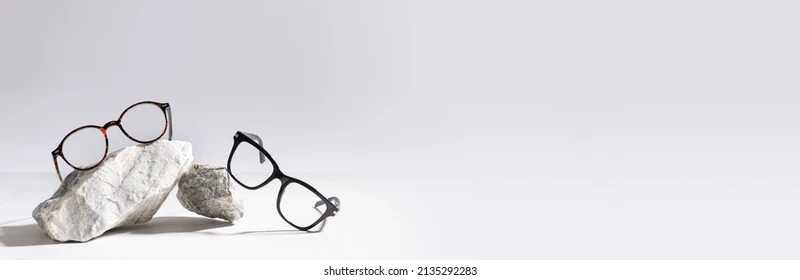
Glasses and sunglasses are essential tools for protecting and improving our vision. Glasses help correct vision issues like nearsightedness or farsightedness, making daily tasks easier. Sunglasses protect our eyes from harmful UV rays, reducing the risk of cataracts and sun damage. They also minimize glare, which is helpful while driving or spending time outdoors. Wearing sunglasses prevents squinting, which can reduce wrinkles around the eyes. Glasses with blue light filters protect our eyes from screens and reduce digital eye strain. Both glasses and sunglasses can be fashionable accessories that boost confidence. They also shield the eyes from wind, dust, and other irritants. For kids and adults alike, proper eyewear supports long-term eye health. Overall, they help us see better, feel better, and look great.
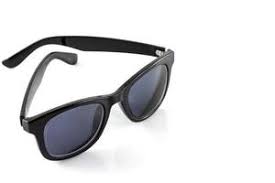

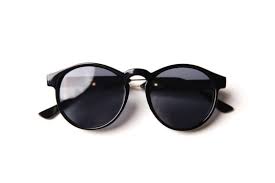
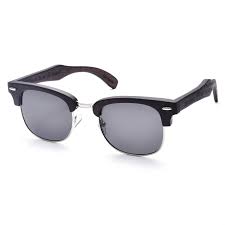
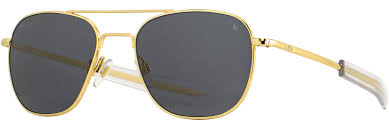
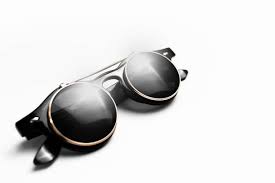
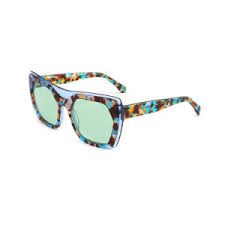
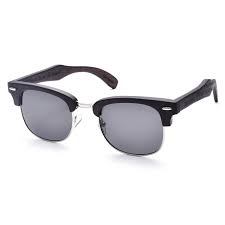
Stylish sunglasses are more than just a fashion accessory—they’re a functional staple that blends health, comfort, and aesthetics into one sleek package. Whether you’re heading to the beach, driving, or simply enjoying a sunny afternoon, a good pair of sunglasses protects your eyes from harmful ultraviolet (UV) rays. Extended UV exposure can lead to cataracts, macular degeneration, and other eye problems, making sunglasses a practical necessity. Stylish shades also reduce glare, especially from water, glass, and roads, improving visual clarity and reducing squinting, which in turn helps prevent premature wrinkles around your eyes. With countless styles available—aviators, wayfarers, cat-eyes, oversized, or sporty designs—you can always find a pair that suits your face shape and enhances your look. However, the wide variety also presents challenges. One con is that fashionable options may prioritize appearance over quality, lacking proper UV protection or durable materials. Cheap sunglasses may distort vision or break easily. Another downside is that trendy styles may quickly go out of fashion, meaning you’ll need to update your collection regularly. Also, heavily tinted lenses can make it harder to see in low-light conditions. To choose the best sunglasses for you, prioritize function over fashion: always look for 100% UVA and UVB protection. Polarized lenses are excellent for reducing glare, especially if you spend time near water or drive often. Consider your face shape—round faces often look best in angular frames, while square faces suit round or oval frames. Comfort is key; ensure the nose pads and arms fit well and don’t cause pressure points. Lens color matters too—gray lenses preserve true color, brown enhances contrast, and yellow improves visibility in fog. Opt for lightweight, durable materials like polycarbonate or high-quality acetate for both comfort and longevity. Try sunglasses in natural light to assess visibility and tint before buying. If you wear prescription glasses, consider prescription sunglasses or photochromic lenses. Some people may benefit from mirrored lenses for extra brightness reduction. Lastly, balance style with practicality—a timeless frame in a neutral tone can remain fashionable year after year. In conclusion, the perfect pair of stylish sunglasses should protect your eyes, match your lifestyle, flatter your features, and align with your personal taste. Don’t compromise on quality for trendiness. Investing in a solid, protective, and flattering pair of sunglasses is not just a style decision—it’s a health-conscious one too.
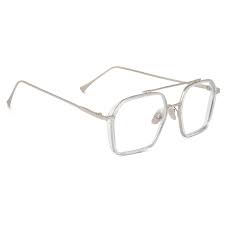
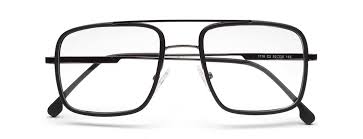
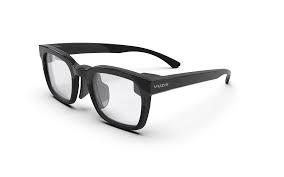
Glasses frames for powered lenses are essential for vision correction and play a significant role in both comfort and personal style. A well-chosen frame not only holds your prescription lenses securely but also complements your face shape and boosts your confidence. Today’s frames come in various materials such as metal, plastic, acetate, and titanium, offering a wide range of styles from minimalistic to bold. One of the key benefits is customization—frames can be tailored to match your personality, lifestyle, and vision needs. Lightweight frames provide comfort for all-day wear, while flexible ones add durability for active users. However, not all frames are created equal. One con is that some stylish frames may not support high prescriptions well, causing lens distortion or thickness. Cheap frames may also break easily or cause discomfort at pressure points like the nose or ears. To choose the best glasses frame, start with your prescription—stronger lenses often need smaller, sturdier frames to maintain visual clarity. Next, consider your face shape; for example, oval faces suit most styles, while square faces benefit from rounder frames. Make sure the frame size fits your face—too large or small can affect lens alignment and comfort. Check for adjustable nose pads, especially if you have a low nose bridge. Lightweight materials like titanium or TR-90 are great for those who wear glasses all day. Don’t ignore your skin tone when selecting colors—neutral tones work universally, while bold colors make a statement. Try them on to ensure they sit well on your ears and don’t slide down your nose. The right frame balances function, comfort, and aesthetics, making your powered glasses something you’ll actually enjoy wearing.