
Music Web Page
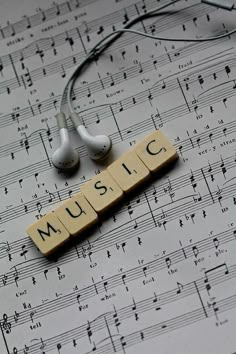
Melody: A sequence of notes that are musically satisfying.
Rhythm: The pattern of beats or a repeated timing structure.
Harmony: The combination of different notes played or sung together.
Tempo: The speed at which a piece of music is played.
Dynamics: The volume of the music, from soft to loud.
Timbre: The quality or color of a musical sound.
Emotional Expression: Helps convey joy, sorrow, excitement, or peace.
Cultural Identity: Music is an important part of rituals, traditions, and celebrations.
Therapeutic Use: Music therapy aids in mental health and relaxation.
Social Connection: Music brings people together at concerts, festivals, and events.
Educational Value: Teaches rhythm, listening skills, and cultural awareness.
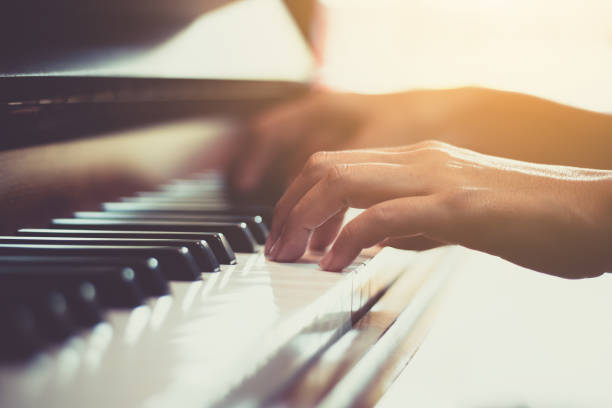
Best Piano
Piano music is one of the most expressive and versatile forms of musical art. With its wide range of notes and dynamic capabilities, the piano can evoke a variety of emotions—from joy and excitement to melancholy and reflection. Played using a keyboard, the piano produces sound through hammers striking strings, allowing for both delicate melodies and powerful, resonant chords. This unique combination of percussive and string elements gives the piano its distinctive and rich sound.
Music is a universal language that transcends borders, cultures, and generations. It is a form of art created by combining vocal or instrumental sounds to produce harmony, melody, and rhythm. From ancient tribal beats to modern digital tunes, music has always been an essential part of human life, used to express emotions, tell stories, celebrate occasions, and bring people together.


Piano music is often used to relax the mind, enhance concentration, or stir inspiration. Soft piano pieces are frequently heard in meditation, background scores, or even in therapeutic settings due to their calming effect. Whether performed in a grand concert hall or played at home, the piano offers a direct emotional connection between the artist and the listener.
Learning and performing piano music requires skill, dedication, and emotional sensitivity. It encourages a strong understanding of musical theory, finger technique, and dynamic expression. Whether you’re a beginner playing simple melodies or a virtuoso mastering complex compositions, the piano remains a deeply rewarding instrument.

Music is a universal language that transcends boundaries, cultures, and time. It is an art form that uses sound, rhythm, and harmony to express emotions, tell stories, and connect people across generations. Whether it is the gentle strumming of an acoustic guitar, the powerful beats of a drum, or the soulful notes of a singer’s voice, music has the power to evoke deep emotional responses andh transportv listeners to different states of mind.
In the modern age, technology has revolutionized the way we create, share, and listen to music. Streaming platforms have made it easier than ever to access millions of songs from around the world. At the same time, digital tools and software allow artists to produce high-quality music from home studios, expanding creative possibilities.
Ultimately, music is more than just sound — it is an expression of the human spirit. It reflects our joys, sorrows, hopes, and dreams. Whether experienced live in a concert hall or through headphones during a solitary walk, music enriches our lives in countless ways, making it one of the most powerful and enduring forms of artistic expression.


There are countless genres of music, each with its own unique characteristics and cultural roots. Classical music, known for its complexity and refinement, often features orchestras and symphonic compositions. Jazz, with its improvisational style, highlights creativity and individual expression. Pop music, characterized by catchy melodies and mass appeal, dominates modern charts and radio. Rock, hip-hop, blues, electronic, folk, and country are just a few of the other genres that contribute to music’s rich and diverse landscape.
Music plays a significant role in our daily lives. It can serve as a source of comfort during hard times, a boost of energy during workouts, or a romantic backdrop for special moments. It is often used in films, advertisements, and video games to enhance storytelling and atmosphere. Music also plays a central role in cultural traditions and religious ceremonies, acting as a bridge between past and present..
In the modern age, technology has revolutionized the way we create, share, and listen to music. Streaming platforms have made it easier than ever to access millions of songs from around the world. At the same time, digital tools and software allow artists to produce high-quality music from home studios,o expanding creative possibilities.
Music plays a significant role in our daily lives. It can serve as a source of comfort during hard times, a boost of energy during workouts, or a romantic backdrop for special moments. It is often used in films, advertisements, and video games to enhance storytelling and atmosphere. Music also plays a central role in cultural traditions and religious ceremonies, acting as a bridge between past and present.
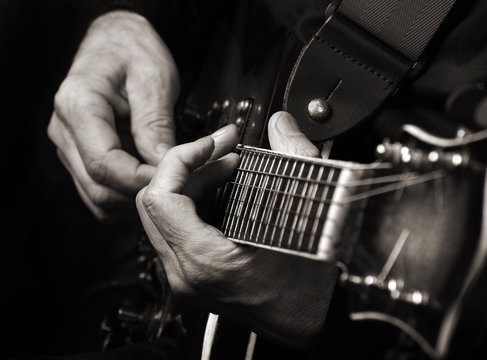
Music plays a significant role in our daily lives. It can serve as a source of comfort during hard times, a boost of energy during workouts, or a romantic backdrop for special moments. It is often used in films, advertisements, and video games to enhance storytelling and atmosphere. Music also plays a central role in cultural traditions and religious ceremonies, acting as a bridge between past and present.
In the modern age, technology has revolutionized the way we create, share, and listen to music. Streaming platforms have made it easier than ever to access millions of songs from around the world. At the same time, digital tools and software allow artists to produce high-quality music from home studios, expanding creative possibilities.