TRADITIONAL CLOTHES
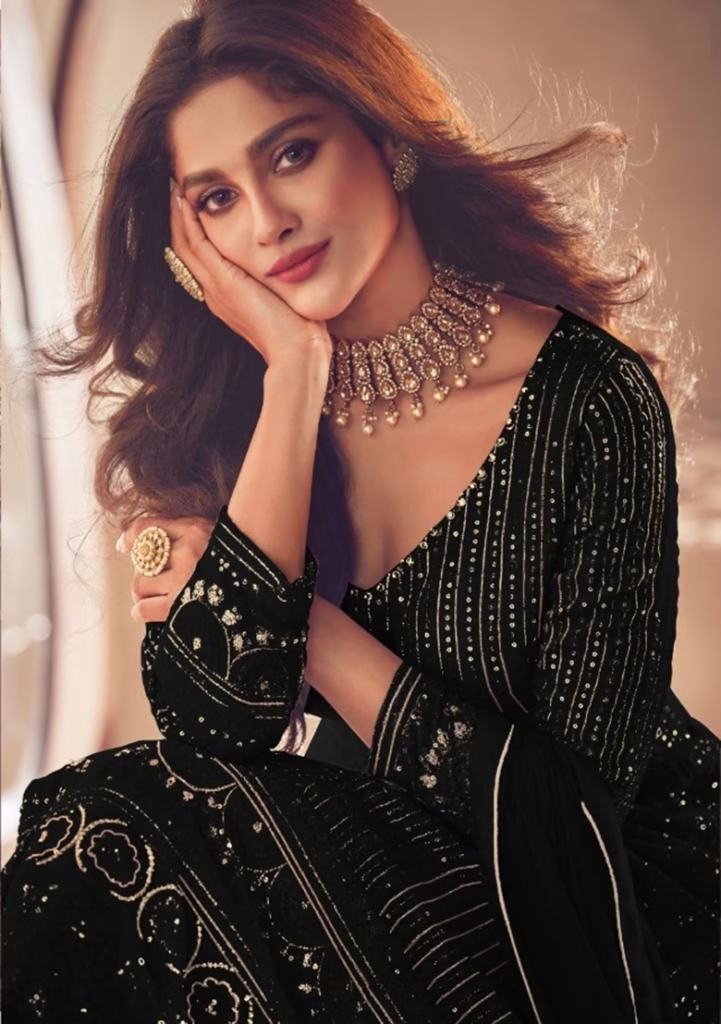
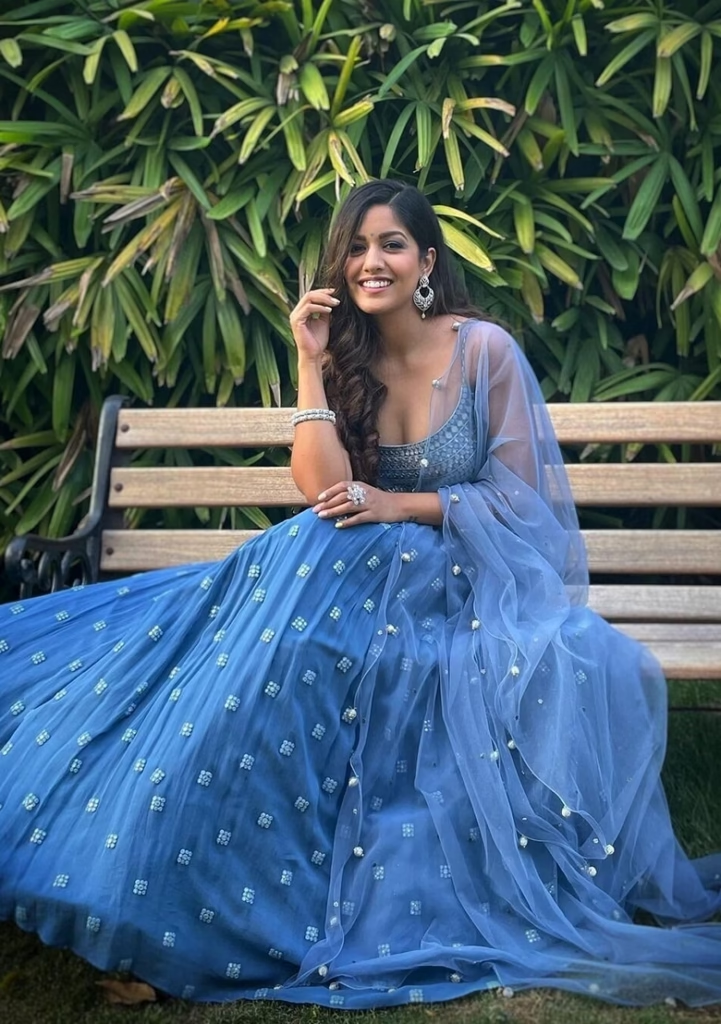
Traditional clothes represent the culture, heritage, and identity of a community or nation. They are deeply rooted in history and often reflect the lifestyle, beliefs, and traditions of people from different regions. Unlike modern fashion trends, traditional attire carries symbolic meanings, showcasing the craftsmanship, artistry, and values passed down through generations.
Every culture has its own unique traditional dress, designed with fabrics, colors, and patterns that tell stories of origin and pride. For example, Indian sarees and kurta-pajamas, Japanese kimonos, African dashikis, Middle Eastern abayas, and European folk costumes are all expressions of cultural identity. These garments are often made from natural fabrics like cotton, silk, or wool and are decorated with embroidery, weaving, or beadwork that highlight regional artistry.
Traditional clothes are usually worn during festivals, weddings, ceremonies, and other special occasions. They bring a sense of belonging and unity, reminding people of their roots and shared history. At the same time, these outfits continue to inspire modern fashion, blending timeless elegance with contemporary style.
In essence, traditional clothes are more than just garments – they are living symbols of cultural pride, history, and diversity across the world Most importantly, traditional clothing is strongly tied to celebrations, festivals, and rituals. They are worn on weddings, religious ceremonies, harvest festivals, and national holidays, bringing families and communities together. Wearing traditional attire during such events creates a sense of belonging and unity, reminding people of their shared values and heritage.
In today’s world, while modern fashion dominates daily wear, traditional clothes still hold a special place. Designers often take inspiration from them, blending old patterns with contemporary styles to create fusion fashion. This not only preserves the legacy of traditional attire but also keeps it relevant for younger generations.
In conclusion, traditional clothes are not just outfits; they are living symbols of cultural pride, diversity, and history. They remind us that fashion is not only about style but also about identity, storytelling, and the preservation of heritage.
TYPES OF TRADITIONAL CLOTHES FOR WOMEN
Traditional clothing for women varies greatly across cultures, regions, and communities. Each style has its own story, significance, and unique beauty. These outfits are often designed with special fabrics, embroidery, and patterns that reflect cultural values and heritage. Below are some popular types of traditional clothes for women from around the world:
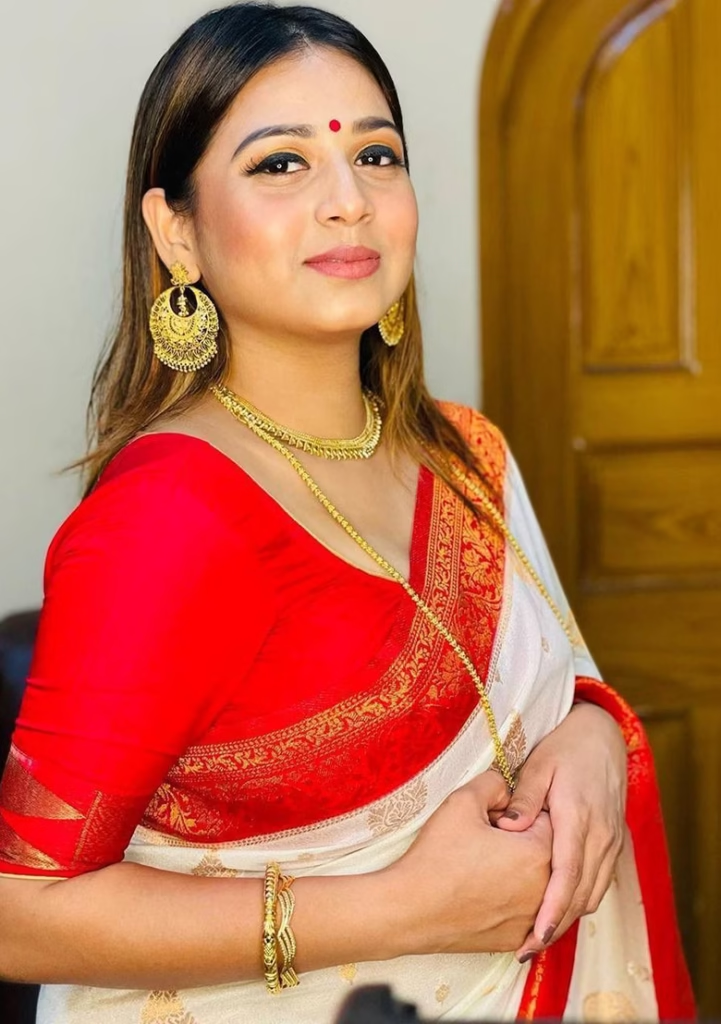
1. Saree (India & South Asia)
A saree is a long piece of fabric, usually ranging from 5 to 9 yards, draped gracefully around the body.
It is often paired with a blouse (choli) and petticoat.
Sarees come in countless varieties such as Banarasi silk, Kanjeevaram, Chanderi, Bandhani, and more, each showcasing regional craftsmanship.
Symbol of grace, elegance, and tradition, especially worn on weddings and festivals.
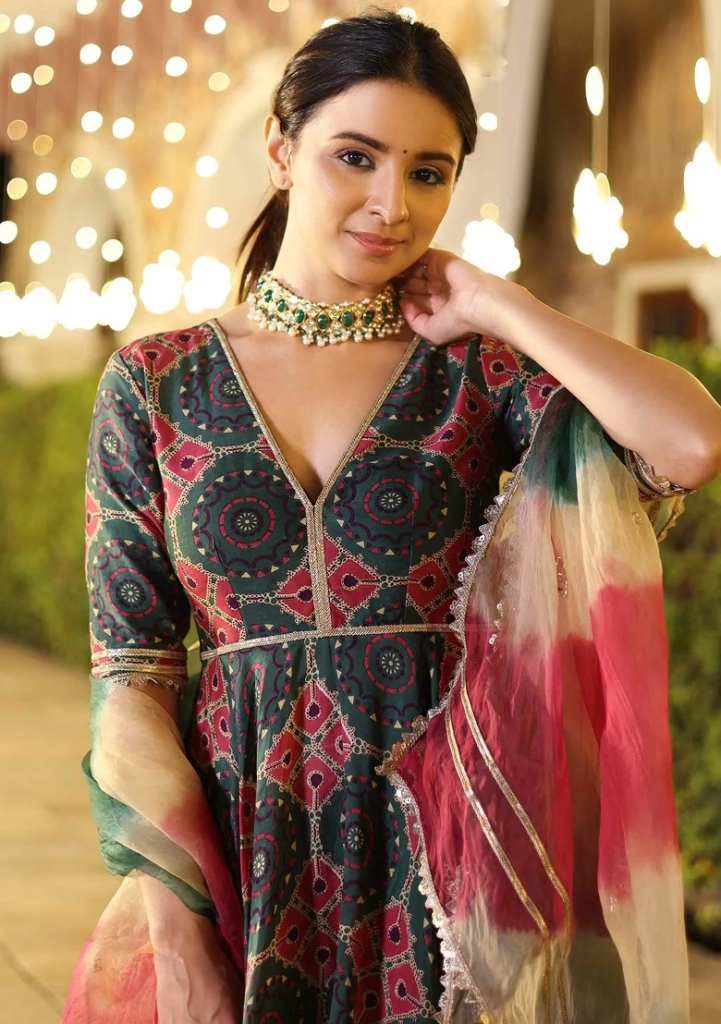
2. Salwar Kameez & Anarkali (India, Pakistan, Bangladesh)
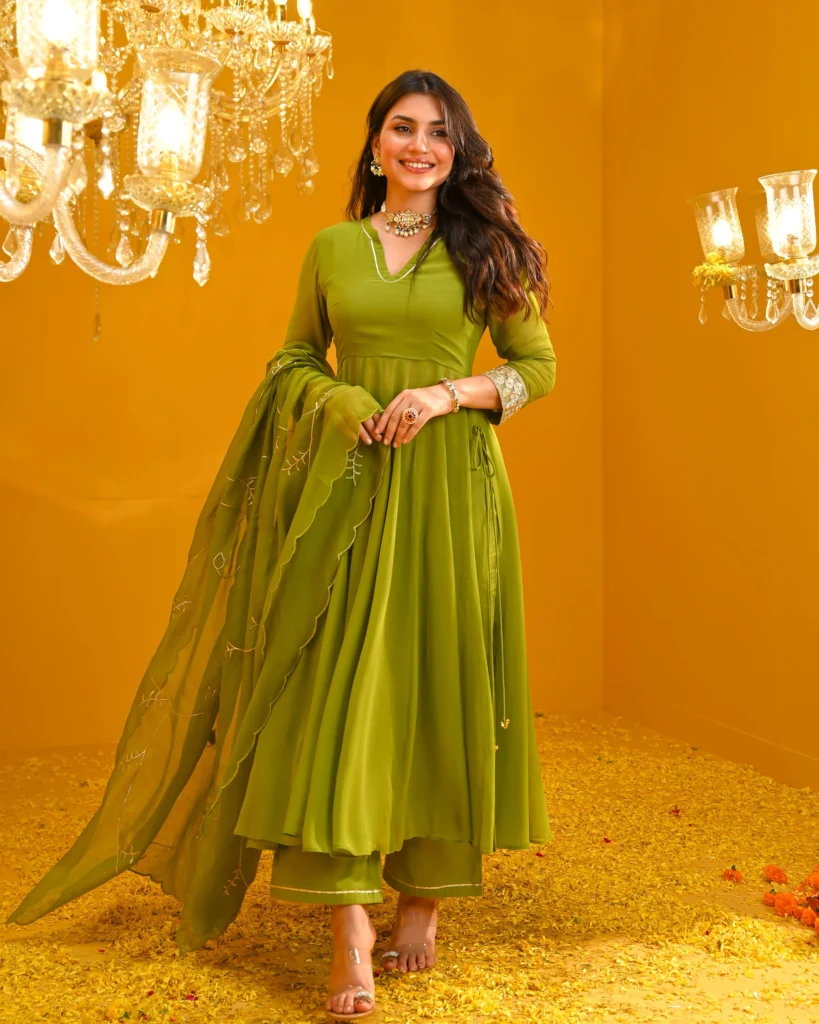
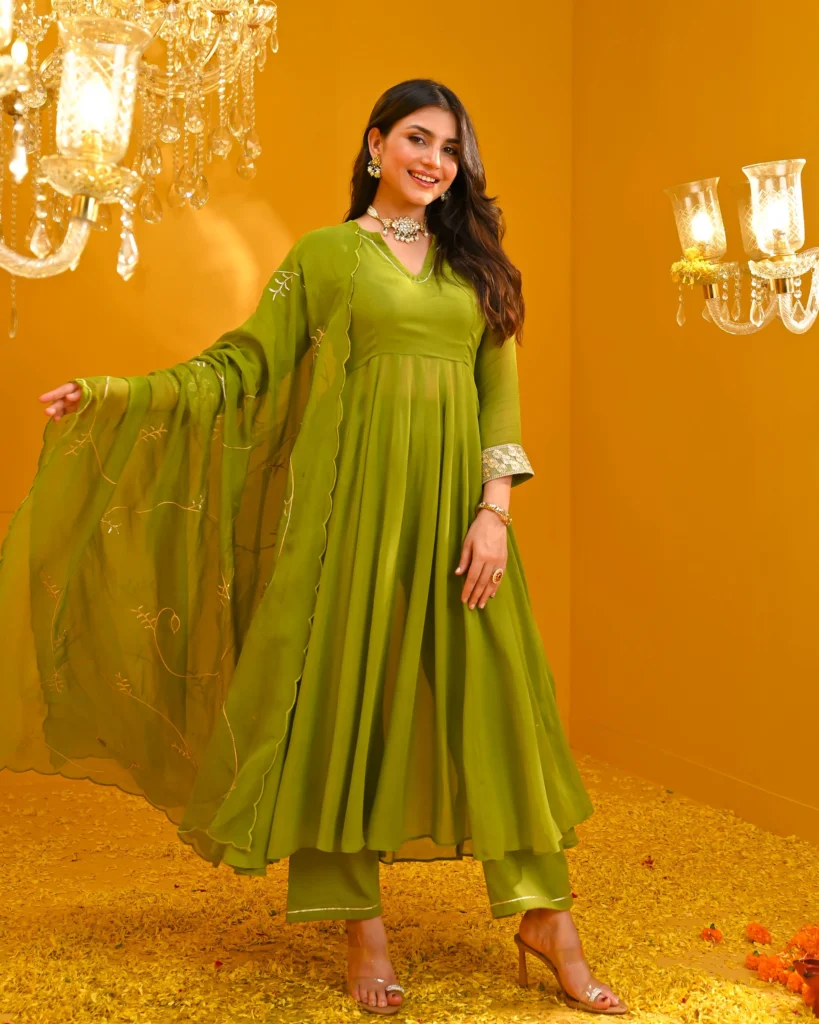
A comfortable yet elegant attire, consisting of a long tunic (kameez), trousers (salwar or churidar), and a dupatta (scarf).
The Anarkali is a long, frock-style dress that flows gracefully.
These outfits are popular for daily wear as well as festive occasions.
3. Lehenga Choli (India)
A three-piece outfit with a flared skirt (lehenga), blouse (choli), and a dupatta.
Often richly decorated with embroidery, zari work, or sequins.
A bridal favorite and a traditional attire for grand celebrations.
SILK SAREE
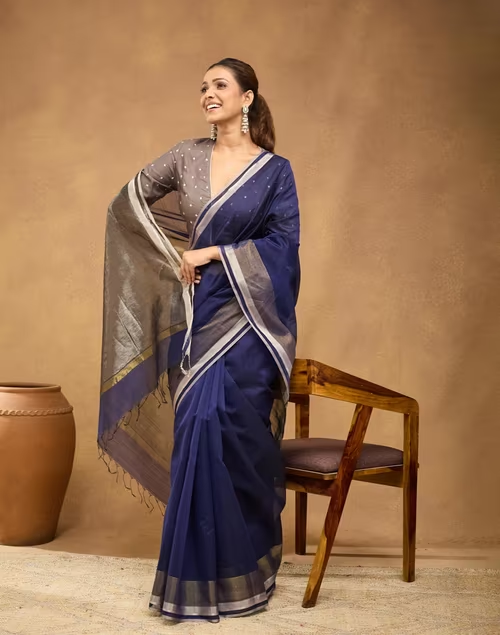
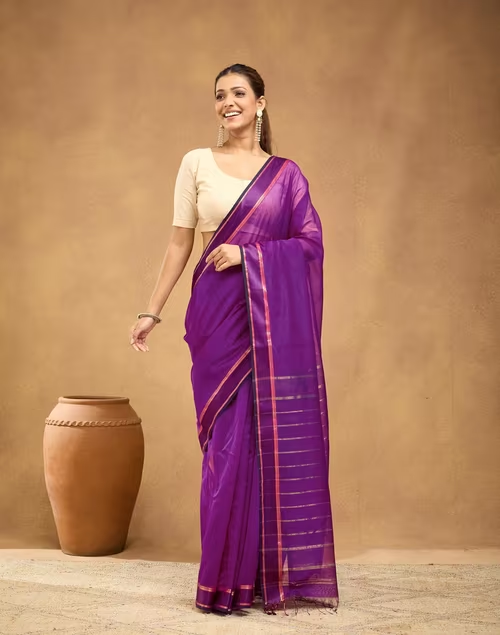
This saree is a beautiful blend of elegance and tradition, designed to enhance the grace of every woman who wears it. Crafted with fine fabric, it offers a soft texture and a comfortable drape that flows effortlessly. The saree showcases intricate detailing with delicate patterns that reflect artistry and timeless craftsmanship. Its rich design makes it versatile for both festive occasions and formal gatherings, adding a touch of sophistication to the wearer’s look.
The border is finely highlighted, giving the saree a distinctive charm, while the overall motif work enhances its appeal. Light in weight yet grand in appearance, this saree embodies classic beauty and modern style together. Whether paired with traditional jewelry for a festive celebration or with minimal accessories for an elegant evening, this saree makes a striking impression
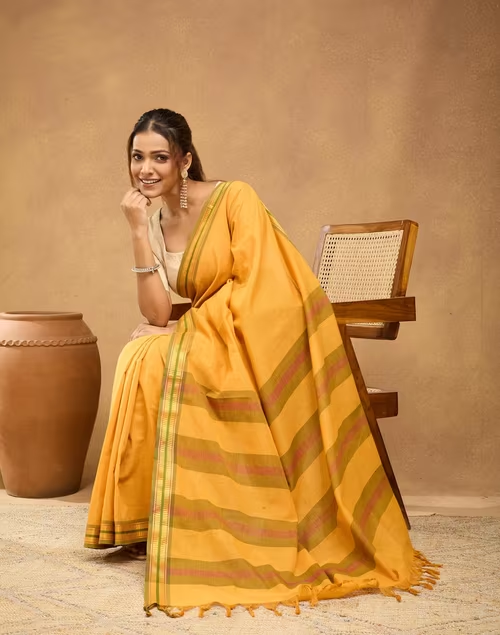
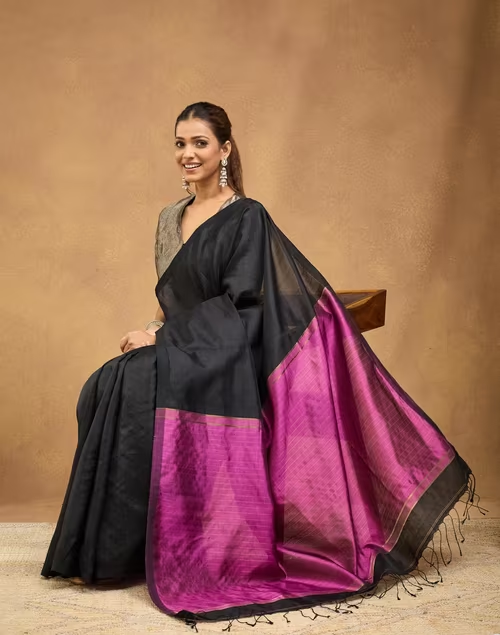
This saree is a true reflection of timeless tradition and graceful artistry. Woven with fine attention to detail, it represents the cultural heritage that makes sarees one of the most elegant attires in the world. The fabric is soft, flowing, and designed to drape beautifully around the body, giving the wearer both comfort and sophistication. Its texture speaks of quality craftsmanship, while the overall finish radiates richness and charm.
The saree is adorned with intricate patterns and a highlighted border that enhances its appeal, making it perfect for festive occasions, weddings, or cultural celebrations. The design blends classic motifs with a touch of modern refinement, ensuring that it never goes out of style. Each fold of the saree carries elegance, making the wearer look graceful, confident, and radiant.
This saree is more than just an outfit—it is a statement of tradition, a celebration of womanhood, and a piece that connects the present with the beauty of the past. Whether styled with traditional jewelry for a grand event or worn in a simpler way for a graceful gathering, it is sure to leave a lasting impression.
SUIT( SALWAR KURTI,ANARKALI,KURTA SETS)
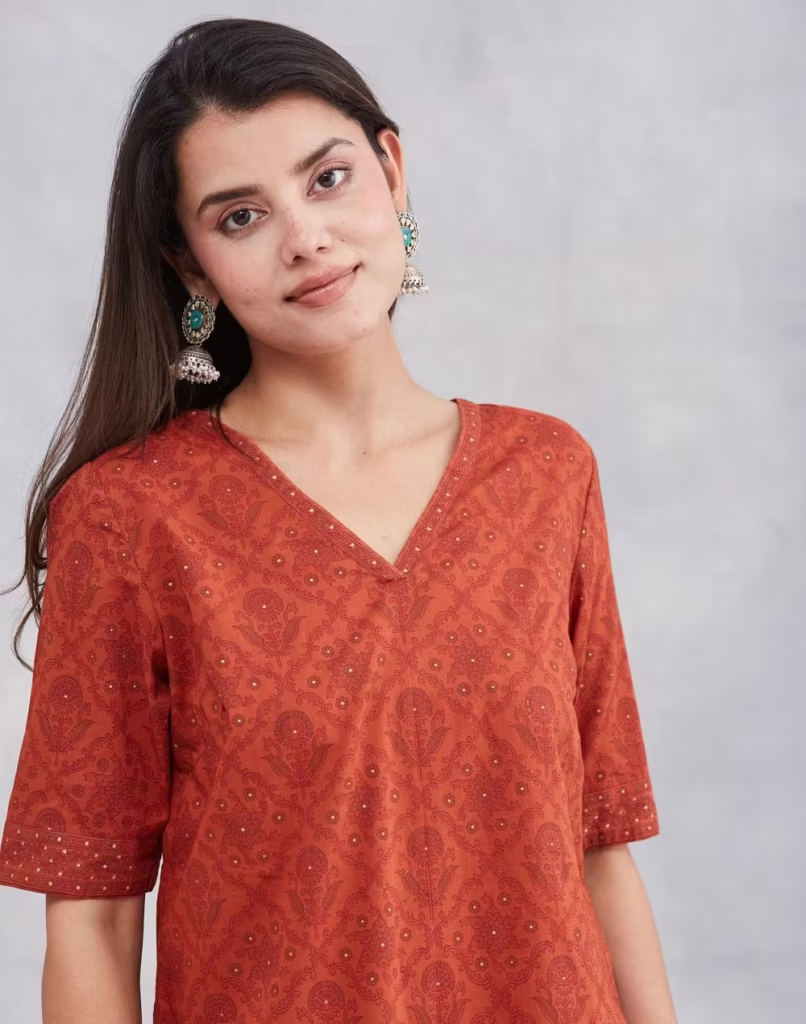
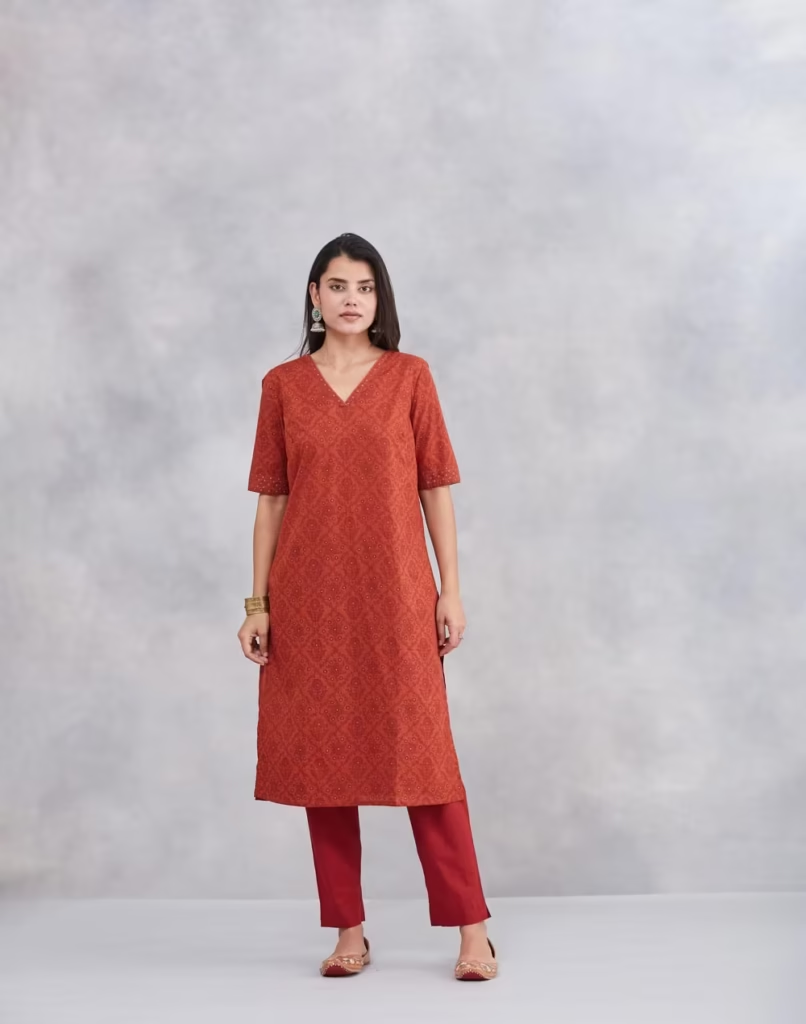
This suit is a perfect blend of traditional elegance and modern sophistication, crafted to bring out the natural grace of the wearer. Designed with attention to detail, it reflects the charm of ethnic fashion while offering the comfort and versatility needed for today’s lifestyle. The fabric is soft, breathable, and drapes beautifully, ensuring both ease and style.
The kameez (top) is highlighted with intricate patterns and delicate work that adds a refined touch, while the salwar or churidar complements the overall design with its balanced simplicity. The dupatta further elevates the ensemble, featuring subtle embellishments and fine detailing that bring richness to the look. Together, the three pieces form a harmonious outfit that is timeless and versatile.
This suit is perfect for festive occasions, weddings, cultural events, or even graceful everyday wear. Its design embodies the richness of tradition while keeping in mind modern aesthetics, making it suitable for women of all ages. Whether paired with heavy jewelry for a grand celebration or styled minimally for a casual gathering, it carries an aura of sophistication
More than just attire, this suit is a representation of heritage, elegance, and confidence. Each thread and detail tells a story of skilled craftsmanship, making it not just clothing, but a piece of art that celebrates femininity and tradition in the most graceful way
ANARKALI SUIT